Leave Your Message

China Best Stihl FS56 Ignition Coil Supplier?

Choosing a China-based supplier for a Stihl Fs56 Ignition Coil takes more than comparing prices. The part must match the FS56’s ignition system, connector, mounting points, and replacement requirements. A coil that looks right may still produce a weak or inconsistent spark. Small details matter.

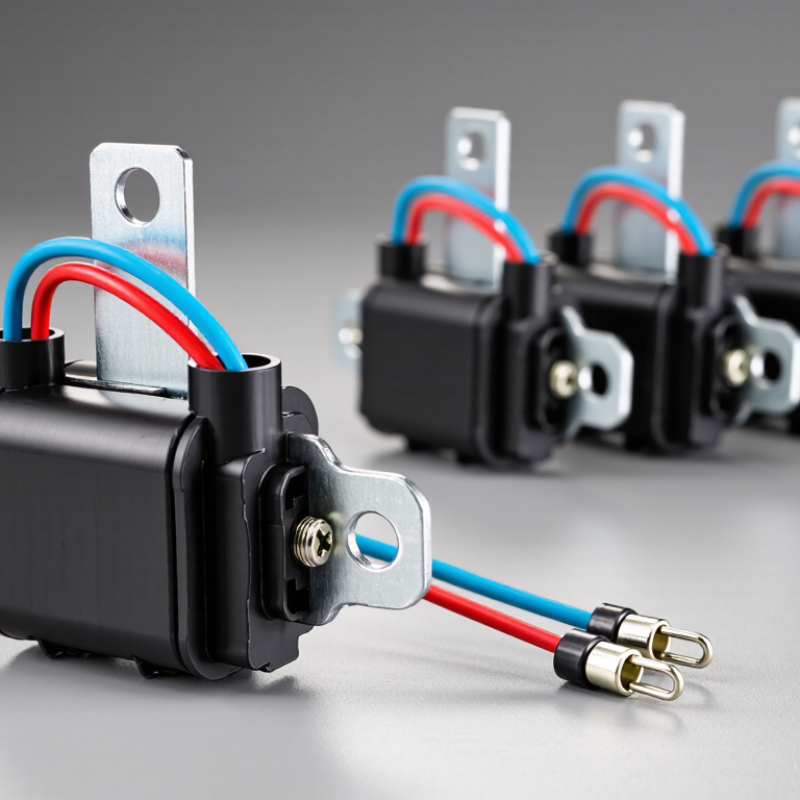
A useful supplier review starts with traceable specifications, clear product photos, and responsive technical support. Ask for fitment information, test data where applicable, material details, and a written quality-control process. Check whether samples are available. Inspect the lead wire, terminals, resin finish, and packaging before placing a larger order. Ask how defects and warranty claims are handled. Do not rely on vague claims like “100% compatible.” Evidence is better. Confirm whether the part is original or aftermarket, and request documentation that supports the description.

This guide outlines practical ways to compare manufacturers and exporters in China, including questions about production capability, inspection, shipping communication, and after-sales service. It also explains how to verify fitment against the equipment’s model information and service documentation. Supplier ratings can help, but they do not replace checking a sample. Product quality can vary, and specifications may be incomplete. A careful review takes time. That’s worth it.
China Best Stihl FS56 Ignition Coil Supplier?

Understanding the Stihl FS56 Ignition Coil and Its Function

The ignition coil in a handheld grass trimmer converts low-voltage electrical energy into the high voltage needed to fire the spark plug. As the flywheel rotates, its magnets pass the coil and create an electrical pulse. The coil sends that pulse through the insulated lead to the plug, where a small spark ignites the fuel mixture. That is its job.

When the engine will not start, a weak or absent spark can point to a coil problem, but it is not proof. A worn spark plug, loose connector, damaged lead, or stop-switch fault can produce similar symptoms. Check the plug and wiring before replacing parts, and inspect for cracked insulation or corrosion near the terminals. Not always the coil.

A basic spark tester can help confirm whether a spark is present; keep hands and loose clothing clear of moving parts. If the spark is intermittent, test again after the engine warms, since heat can expose a failing component. Coil-to-flywheel clearance matters too, but the correct measurement depends on the machine’s service specifications. I have seen parts blamed too quickly when a connector was merely loose. Record the symptoms and verify the gap before choosing a replacement.


Checking Compatibility and Key Coil Specifications

Checking compatibility begins with the engine’s exact model code and serial range, not its appearance. Compare the coil’s body shape, bolt-hole spacing, laminated core, spark-plug lead exit, and kill-switch terminal. Measure the mounting points on the old unit before ordering. A coil may fit the bolts but still sit too close to the flywheel.

Check the specified air gap and primary and secondary resistance against reliable service data. NBS Handbook 100, Copper Wire Tables (1966), archived by NIST, lists annealed copper resistivity at 1.7241 μΩ·cm at 20°C. That figure is a material reference, not a pass-or-fail coil specification. Winding resistance changes with temperature, so compare readings under similar conditions. Use a feeler gauge to set the air gap, then verify spark during cranking and after the engine warms. I would not trust a clean exterior as proof of compatibility. Easy to miss. The exact service specification still matters.

Evaluating China-Based Stihl FS56 Ignition Coil Suppliers

Evaluating a China-based ignition-coil supplier starts with fitment evidence, not a low quote. Ask for the exact engine variant, connector layout, lead length, and mounting-hole spacing. Small details matter. A coil that looks right may still sit crooked or leave the wire strained. Request a sample and compare it with the original part before approving a batch. Check for clear photos, a drawing, and written compatibility details instead of relying only on a marketplace listing. This is basic, but easy to skip.

Quality checks should be repeatable. Ask how incoming wire, insulation, and terminals are inspected, and whether each lot receives an electrical test. Request dated inspection records and traceable lot codes. If resistance readings are provided, confirm the test conditions and acceptable range; a number without context proves little. Discuss packaging too: terminals should be protected, and coils kept dry during transit.

Start small. A pilot order can reveal inconsistent labeling or fit before a larger purchase. Supplier replies are useful evidence, not proof by themselves. Even a careful checklist can miss a mismatch, so retain the approved sample and record any field failures.

That extra step feels tedious. It can prevent costly returns.

Verifying Supplier Quality, Testing, and Documentation

When assessing a China-based supplier for an FS56-compatible ignition coil, look beyond price and delivery time. Ask how each production lot is checked, not just whether the supplier “tests every unit.” A useful process records winding resistance, insulation condition, and spark performance against documented acceptance limits. Those limits should suit the intended application; generic figures can mislead. Small details matter.

Request a sample test report linked to a visible lot code. Compare that code with the label on the coil and its carton. Supplier records should identify test equipment, calibration status, test date, and acceptance criteria. Ask how incoming materials and production changes are controlled. A tidy PDF is not proof by itself. Check for actual measurements, units, and pass criteria, rather than a single unchecked “OK.” Paperwork counts.

Testing can include repeatable spark checks under cold and warmed conditions, with vibration screening where relevant. Confirm the setup, duration, and failure-handling process in writing. If possible, evaluate several samples on the intended machine and record starting behavior after storage. One limitation remains: a small sample cannot represent every production lot. I would treat missing traceability as a reason to pause, even when the coil looks well finished.

Comparing Ordering Terms and After-Sales Support

When comparing ignition-coil suppliers for an FS56 trimmer, look beyond the quoted unit price. Ask whether the offer includes the spark-plug boot, wiring lead, and mounting hardware, or only the coil. Confirm the connector shape and mounting-hole spacing against your original part. A clear photo beside a ruler can prevent a costly mismatch. Small detail. Request the minimum order quantity, sample cost, shipping method, and estimated dispatch date in writing. Also check whether prices change with order volume or packaging choices.

After-sales support matters when a part arrives damaged or fails during installation. Ask how long the supplier allows for reporting defects, what evidence they require, and who pays return shipping. A practical supplier should explain the process plainly and provide a response timeframe, rather than promise vague “full support.” Keep the invoice, packaging, and installation notes; these make a claim easier to assess. If technical advice is offered, confirm it covers coil testing and basic fitment, not just sales inquiries.

I would be cautious about choosing the lowest quote before checking these terms. Still, paperwork cannot guarantee a perfect fit, and suppliers may interpret compatibility differently. That is worth admitting. Compare written specifications, response quality, and replacement conditions together, then choose the offer that best matches your repair needs and delivery schedule.

China Best Stihl FS56 Ignition Coil Supplier? - Comparing Ordering Terms and After-Sales Support

Supplier-specific commercial terms are not assumed. Use this checklist to compare written quotations for an ignition coil intended for the specified equipment; confirm fitment and all terms directly with each supplier.

Comparison dimension What to request How to compare offers Buyer’s verification checklist
Product compatibility Written confirmation of application, dimensions, connector type, and any relevant part or reference numbers. Compare the documented specifications against the original part and equipment requirements; do not rely on a listing title alone. Ask for clear product photographs and a drawing or measurement sheet where available. Confirm compatibility before placing a bulk order.
Minimum order quantity The minimum quantity for a sample order and for a production order. Compare the quoted quantity thresholds and whether sample purchases count toward a later order. Ensure the MOQ, quantity unit, and any mixed-item conditions are stated in the quotation.
Unit price and price basis Unit price by quantity tier, currency, included packaging, and the stated delivery term. Compare quotations on the same quantity and delivery-term basis; separate product cost from freight, duties, and other charges. Request a quotation validity period and written notice of any price adjustments.
Production and dispatch timing Estimated production time, order-processing time, and dispatch estimate after payment or order confirmation. Compare each timing stage separately; an estimated dispatch date is not the same as delivery to the destination. Ask how delays are communicated and whether the estimate applies to the requested quantity and packaging.
Payment terms Accepted payment methods, deposit or balance requirements, and the payment milestone for each amount. Compare the full payment schedule and any transaction charges, rather than considering only the initial deposit. Confirm beneficiary details through an independently verified channel before transferring funds.
Shipping and delivery terms Available shipping methods, named delivery term, destination coverage, and which party arranges export and transport. Compare the complete landed-cost estimate where available, including freight and any destination-side charges not included. Confirm the named destination, shipment documents, tracking availability, and responsibility for customs clearance.
Sample and pre-shipment checks Sample availability, sample charges, sample dispatch timing, and any inspection options before shipment. Compare whether the sample represents the quoted production specification and whether sample fees are refundable or creditable. Agree in writing on the specifications and acceptance criteria before approving production.
Warranty coverage Warranty duration, start date, covered defects, exclusions, and required evidence for a claim. Compare the written coverage and claim procedure; do not treat an unspecified warranty as a guaranteed term. Request the policy in writing and clarify whether replacement, repair, or credit is offered for an approved claim.
Defect and shortage claims Claim-notification deadline, required photos or test results, and the process for reporting damaged, defective, or missing goods. Compare the response process and the evidence required, especially for issues found after delivery. Record package condition and inspect the shipment promptly; retain order documents and relevant photographs.
After-sales response Support contact channel, business hours or time zone, expected response process, and escalation contact. Compare the clarity of the support procedure and whether technical questions are handled separately from commercial claims. Ask who handles fitment questions and who authorizes warranty or shortage resolutions.
Documentation and traceability Available invoice, packing list, product specification, batch or lot identification, and other shipment documents required by the buyer. Compare the documents each supplier confirms it can provide for the specific order. List required documents in the purchase order and check that item descriptions and quantities match the shipment.