Leave Your Message
Choosing the best String Trimmer Brush Cutter for global buyers requires more than comparing engine power. A machine that feels impressive online may struggle in wet grass, steep orchards, or dusty field edges. This guide examines cutting width, shaft balance, vibration, fuel or battery systems, and replacement-part access. Real work exposes differences. A comfortable handle can matter more than a higher advertised speed.
Our evaluation approach combines manufacturer specifications, practical use considerations, and feedback from landscaping and agricultural users. We look at starting effort, guard design, harness comfort, noise, maintenance intervals, and transport requirements. Details matter here. A small harness-weight difference may seem minor, yet it can affect long mowing sessions. However, field performance varies with blade choice, operator technique, climate, and vegetation density. No single model fits every buyer.
Reliable purchasing also means checking local service coverage, warranty terms, voltage or emissions requirements, and available safety equipment. These requirements differ across markets, so product pages should never be treated as complete evidence. Buyers should verify manuals, certifications, spare-part listings, and distributor reputation before ordering. Some recommendations may remain debatable. That is intentional. A transparent comparison should acknowledge uncertain data, changing prices, and the difference between laboratory claims and field experience. The following outline helps readers select a capable, maintainable, and appropriately powered tool for their working conditions.
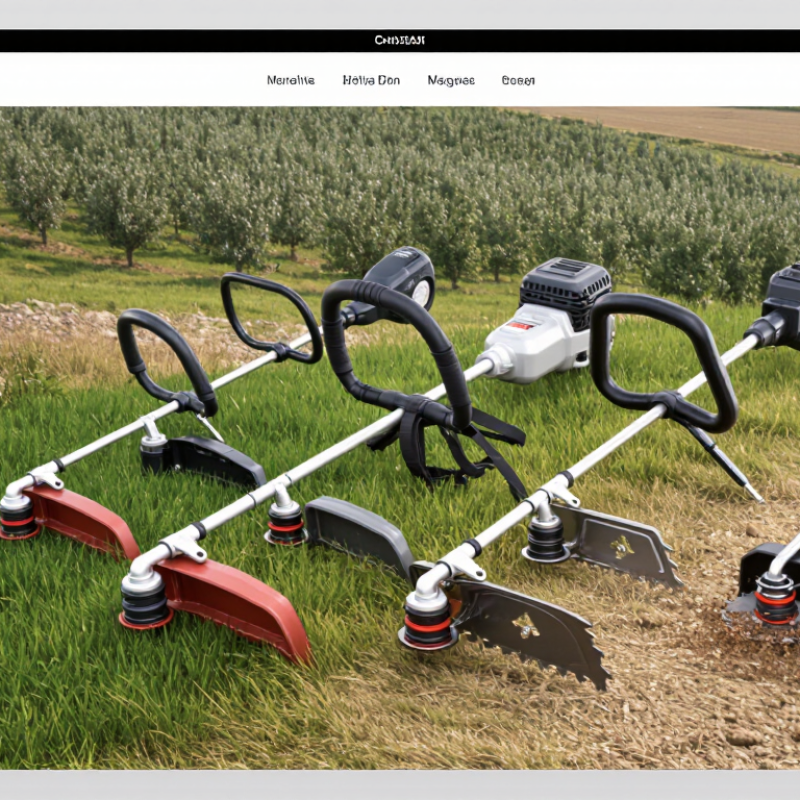
A string trimmer brush cutter is a handheld machine for cutting grass, weeds, and light brush. It usually accepts nylon line, metal blades, or both. The line head suits lawn edges and soft weeds. A blade handles thick stems and rough vegetation. That distinction matters more than advertising power.
A useful design starts with balance. Check the shaft length, harness connection, cutting width, guard position, and throttle response. A machine that feels nose-heavy becomes tiring after twenty minutes. Engine displacement or battery voltage also needs context. Higher numbers can look impressive, but they do not guarantee cleaner cutting. I would inspect vibration, grip comfort, and restart behavior before choosing. Small details often decide field performance.
Noise and vibration deserve measurable attention. NIOSH’s Criteria for a Recommended Standard: Occupational Noise Exposure uses 85 dBA over eight hours, with a 3 dB exchange rate. A short test beside the machine is not enough. ISO 11806-1 defines safety requirements for portable brush cutters, including guarding and control design. ISO 5349-1 provides methods for evaluating hand-transmitted vibration. These references help buyers compare specifications more seriously. Still, published values may differ from real cutting conditions. Wet grass, uneven ground, and a dull blade can change the experience quickly. A reliable brush cutter should feel controlled, not merely powerful.
| Product Category | Typical Power Source | Typical Cutting Width | Recommended Cutting Tools | Suitable Vegetation | Typical Runtime or Work Capacity | Approx. Tool Weight | Noise and Emission Profile | Key Advantages | Main Limitations | Best Fit for Global Buyers | Overall Suitability |
|---|---|---|---|---|---|---|---|---|---|---|---|
| Compact Corded String Trimmer | Electric cord, commonly 230 V or 120 V depending on market | 25–35 cm | 1.6–2.4 mm nylon line | Short grass, lawn edges, and light weeds | Continuous operation when connected to a suitable power supply | 2.0–4.0 kg | Low operating noise; zero direct exhaust emissions | Low purchase cost, light handling, simple starting, and minimal routine maintenance | Requires a cable and compatible voltage; unsuitable for remote or very large areas | Homeowners with accessible electrical outlets and small residential gardens | ★★★★☆ |
| Battery String Trimmer | Rechargeable lithium-ion battery, commonly 18–60 V | 28–40 cm | 1.6–2.7 mm nylon line; some models accept plastic blades | Grass, lawn borders, light-to-medium weeds, and moderate undergrowth | Approximately 20–60 minutes per charge, depending on battery size, vegetation, and load | 3.0–6.5 kg including battery | Low noise and zero direct exhaust emissions during use | Quiet operation, easy starting, low vibration, and good portability | Runtime depends on batteries; charging time and battery replacement cost must be considered | Urban users, environmentally conscious buyers, and properties where noise control matters | ★★★★★ |
| Light-Duty Petrol String Trimmer | Two-stroke or four-stroke petrol engine, commonly 20–30 cc | 35–45 cm | 2.0–2.7 mm nylon line; optional plastic blade on compatible models | Tall grass, dense lawn edges, weeds, and occasional brush | Approximately 30–60 minutes per tank, depending on tank size and workload | 5.0–8.0 kg | Higher sound level, engine vibration, and exhaust emissions | Longer uninterrupted work periods, fast refueling, and strong performance away from power outlets | More noise, fuel handling, vibration, maintenance, and starting effort | Rural properties and users working where charging facilities are limited | ★★★★☆ |
| Professional Petrol Brush Cutter | Two-stroke or four-stroke petrol engine, commonly 30–50 cc | 40–50 cm | 2.4–3.3 mm nylon line, three-tooth blade, or circular saw blade where approved | Thick weeds, tall grass, brambles, reeds, and light woody growth | Designed for extended work with refueling intervals typically lasting about 30–90 minutes | 7.0–11.0 kg | High noise and vibration; produces exhaust emissions | High cutting power, broad tool compatibility, and strong performance in demanding vegetation | Heavier, louder, more expensive to operate, and requires appropriate protective equipment | Landscaping contractors, agricultural users, and large rural properties | ★★★★★ |
| High-Voltage Battery Brush Cutter | Rechargeable battery system, commonly 36–80 V | 35–45 cm | 2.0–3.0 mm nylon line and compatible metal or polymer blades | Dense grass, weeds, brambles, and medium undergrowth | Approximately 25–75 minutes per charge; additional batteries can extend work time | 5.0–9.0 kg including battery | Lower noise and zero direct exhaust emissions during operation | Strong torque, low vibration, reduced maintenance, and improved user comfort | Battery packs are costly; high-load work can reduce runtime significantly | Professional users seeking quieter operation and reduced local emissions | ★★★★★ |
| Straight-Shaft Multi-Tool Brush Cutter | Petrol or battery-powered interchangeable power unit | 30–45 cm, depending on attachment | Nylon line head, grass blade, hedge trimmer, pruner, or other approved attachments | Grass, weeds, light brush, hedges, and low branches | Varies by power source and attachment; generally suited to intermittent property maintenance | 4.5–10.0 kg depending on configuration | Varies from low-noise battery operation to louder petrol operation | Versatile platform that reduces the need to purchase several separate tools | Usually less specialized than a dedicated brush cutter; attachment changes add setup time | Property managers and homeowners who need several seasonal garden functions | ★★★★☆ |
| Backpack Brush Cutter | Petrol engine or high-capacity battery system | 40–50 cm | Thick nylon line, multi-tooth grass blade, or approved brush-cutting blade | Large areas of tall grass, steep slopes, dense weeds, and rough terrain | Typically suited to extended field work with refueling or battery replacement as required | 8.0–15.0 kg total system weight | Petrol versions are loud and produce emissions; battery versions are quieter | Improved weight distribution and maneuverability on slopes or uneven ground | Higher purchase cost, more complex harness setup, and greater transport requirements | Commercial landscaping, roadside maintenance, and challenging terrain | ★★★★☆ |
| Heavy-Duty Clearing Brush Cutter | High-output petrol engine, commonly 40–60 cc or more | 45–55 cm | 3.0–4.0 mm nylon line, heavy-duty metal blade, or saw blade where permitted | Thick brush, saplings, dense reeds, invasive plants, and demanding land clearance | Designed for repeated professional use with regular refueling and maintenance | 8.0–13.0 kg | High noise, substantial vibration, and exhaust emissions | Maximum cutting capacity and durability for difficult vegetation | Requires experienced operation, full protective equipment, and careful blade management | Professional land clearance, forestry-edge maintenance, and agricultural applications | ★★★★★ |