Leave Your Message

China Top 10 MTD Ignition Coil Manufacturers

China’s Mtd Ignition Coil sector is moving from simple replacement parts toward engineered ignition systems. Buyers now examine winding quality, insulation, heat resistance, and connector accuracy. A coil may look identical on a workbench, yet fail after repeated starts in a hot engine bay.

Grand View Research estimated the global automotive ignition coil market at approximately USD 5.89 billion in 2023. Its report also forecasts continued growth through 2030, supported by vehicle production and replacement demand. MarketsandMarkets identifies electronic ignition adoption, stricter emissions requirements, and rising vehicle ownership as important market drivers. These figures describe the wider industry, not China alone. That distinction matters.

Dr. Ronald K. Jurgen, an automotive electronics researcher and author of Automotive Electronics Handbook, emphasizes a central engineering principle: ignition coils must convert low-voltage electrical power into dependable, high-voltage spark energy. His point remains practical. Stable energy delivery affects starting, combustion, fuel efficiency, and misfire control.

This guide examines China’s top 10 Mtd Ignition Coil manufacturers through a more careful lens. It considers factory experience, testing capability, material control, production scale, and export reliability. Product catalogs alone are not enough. Some supplier claims remain difficult to verify, and rankings can change with evidence quality. That is an imperfect but necessary limitation.

The strongest manufacturers typically show concrete details: automated winding lines, thermal-cycle testing, insulation checks, traceable batches, and consistent connector fit. These small details matter when a vehicle starts at minus temperatures, then operates beside a 120°C engine surface. Our selection therefore focuses on technical credibility, documented performance, and practical buyer value rather than visibility alone.
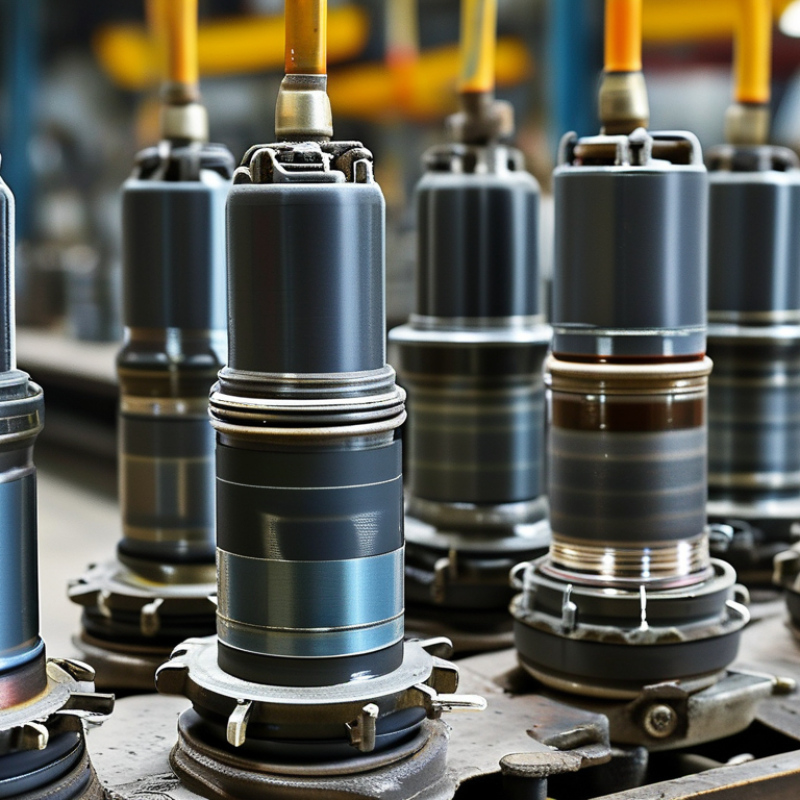
China Top 10 MTD Ignition Coil Manufacturers

What MTD Ignition Coils Are and Why They Matter

An ignition coil is a compact transformer that turns battery or magneto energy into a high-voltage spark. That spark jumps across the plug gap and starts combustion inside a small engine. In practical terms, the coil must deliver stable voltage despite heat, vibration, moisture, and changing engine speed. A weak coil may cause hard starting, uneven running, or sudden shutdown. Sometimes, it simply fails after the engine warms up.

The U.S. Environmental Protection Agency’s 2023 certification data treats engines below 25 horsepower as a separate spark-ignition category. This matters because many lawn and garden machines use this engine class. The 2024 IMARC Group outlook estimates the wider automotive ignition coil market at roughly US$3 billion in 2023, with continued replacement demand. That figure does not isolate outdoor equipment, so it should not be treated as a perfect forecast. This is an important limitation.

For Chinese manufacturers, coil quality depends on winding consistency, insulation thickness, magnetic strength, and precise air-gap control. Field technicians often check resistance when the coil is cold and warm, because one reading can hide a thermal fault. A reliable replacement should also match the flywheel magnet position and plug specification. More voltage is not always better. Excessive output can stress insulation and electronic controls. Independent testing, traceable materials, and documented temperature cycles provide stronger evidence than appearance alone. Yet product data sheets still omit useful details too often.

Key Standards for Evaluating Chinese MTD Ignition Coil Manufacturers

China Top 10 MTD Ignition Coil Manufacturers

Key Standards for Evaluating Chinese MTD Ignition Coil Manufacturers

Selecting an MTD ignition coil manufacturer requires more than comparing unit prices. Check ISO 9001 certification, production records, and documented quality procedures. A reliable factory should control copper wire, insulation materials, resin, and connector dimensions. Ask for batch traceability. It should identify the operator, date, and test results. Electrical performance matters most. Verify primary and secondary resistance, spark output, insulation strength, and heat endurance. Coils should also survive vibration, moisture, and repeated engine starts. Samples must be tested under realistic temperature changes, not only in a clean laboratory.

Factory experience is visible in small details. Inspect winding alignment, sealing quality, terminal firmness, and packaging protection. Request inspection reports and independent test evidence when possible. A capable supplier can explain failure rates without hiding behind general promises. Communication also reveals professionalism. Clear drawings, stable specifications, and corrective-action reports reduce future problems. However, certificates alone are not enough. Some evaluations remain incomplete when they overlook field conditions, so buyer feedback and returned-part analysis deserve attention. A low quotation may conceal weaker insulation or inconsistent materials.

Tips: Compare at least three samples from different batches. Confirm dimensional fit before endurance testing. Keep written specifications. Review warranty terms carefully. If a supplier avoids difficult questions, pause the order. Reliability is built through repeatable evidence, not confident language. Mistakes can happen, even in mature factories. The response matters.

China Top 10 MTD Ignition Coil Manufacturers - Key Standards for Evaluating Chinese MTD Ignition Coil Manufacturers

Manufacturer evaluation framework based on internationally recognized automotive quality, testing, traceability, and supply-chain practices. No company or brand names are included.

No. Evaluation Dimension Recommended Benchmark Objective Evidence to Request Suggested Weight Why It Matters
1 Automotive Quality Management Prefer a valid IATF 16949 certificate for automotive production. ISO 9001 certification is a useful baseline but does not replace IATF 16949. Current certificate, certification scope, issuing body, audit status, and manufacturing-site address. 15% A structured quality system reduces process variation, customer complaints, and uncontrolled product changes.
2 Product and Application Compatibility The coil should be validated against the exact engine, ignition module, connector, mounting geometry, polarity, and electrical loading requirements. Approved drawings, cross-reference matrix, pinout verification, dimensional report, and application-specific validation record. 14% A physically interchangeable coil may still cause misfire, overheating, weak spark, or control-module damage if electrical parameters differ.
3 Electrical Performance Control Verify primary resistance, secondary resistance, inductance, dwell response, energy delivery, insulation resistance, and breakdown-voltage performance against the approved specification. End-of-line test records, calibrated equipment list, control limits, capability studies, and sample test reports. 14% Consistent electrical parameters are essential for stable ignition timing, spark energy, emissions performance, and service life.
4 Environmental and Durability Testing Use an application-specific validation plan covering temperature cycling, vibration, humidity, water exposure, salt exposure where applicable, and electrical transients. Design-validation plan and reports referencing applicable ISO 16750 or GB/T 28046 methods, plus customer-specific requirements. 13% Ignition coils operate in high-temperature, high-vibration environments and must maintain insulation and output stability over time.
5 Materials and Thermal Design Use controlled-grade magnet wire, validated insulating materials, suitable resin or epoxy systems, robust terminals, and seals compatible with the specified temperature range. Material certificates, supplier approval records, incoming inspection data, resin-curing parameters, and thermal-aging test results. 11% Material degradation, voids, poor curing, and thermal expansion can lead to insulation failure and intermittent misfire.
6 Electromagnetic Compatibility Evaluate conducted and radiated emissions, immunity, and electrical transient behavior according to the vehicle or equipment application. EMC test reports referencing applicable CISPR 25, ISO 7637-2, ISO 11452, IEC 61000, or UN Regulation No. 10 requirements where relevant. 9% Poor electromagnetic control can interfere with sensors, control units, radios, and other vehicle electronics.
7 Process Control and Traceability Each production lot should be traceable to raw materials, tooling, operators, process parameters, inspection results, and shipment records. Lot-code format, genealogy records, process-control plan, PFMEA, control charts, and nonconformance procedures. 8% Traceability enables rapid containment, root-cause analysis, recalls, and corrective action.
8 Inspection and Statistical Quality Use incoming, in-process, and final inspections with documented sampling plans. ISO 2859-1 may be used for attribute sampling when agreed with the customer. Inspection standards, AQL agreement, defect classification, gauge calibration records, and corrective-action history. 6% A documented inspection system helps prevent dimensional, cosmetic, electrical, and assembly defects from reaching customers.
9 Supply Capacity and Delivery Reliability Assess verified monthly capacity, bottleneck processes, tooling availability, production flexibility, component lead times, and documented on-time delivery performance. Capacity plan, production-flow chart, inventory policy, business-continuity plan, and recent delivery-performance records. 5% A technically capable supplier may still be unsuitable if it cannot maintain stable output and delivery during demand fluctuations.
10 After-Sales Support and Warranty Control Require a written warranty, defined return-material authorization process, failure-analysis capability, response-time commitments, and corrective-action reporting. Warranty terms, field-failure data, 8D reports, replacement policy, technical-support contacts, and complaint-response records. 5% Effective technical support limits downtime and helps distinguish manufacturing defects from installation or application-related failures.
Scoring Guidance: Score each dimension from 0 to 5, multiply by the suggested weight, and compare suppliers using the same evidence requirements. Certification, testing, capacity, and warranty claims should be independently verified and matched to the exact manufacturing site and product application.

Top 10 MTD Ignition Coil Manufacturers in China

The Top 10 MTD Ignition Coil Manufacturers in China are often evaluated by production control, testing depth, and small-engine experience. Reliable manufacturers usually produce coils for walk-behind mowers, riding equipment, and compact garden engines. Their workshops should control winding tension, insulation thickness, and connector placement. Small details matter.

During supplier reviews, I look for stable spark output, accurate resistance readings, and clean resin filling. A practical factory can provide samples, production records, and test data from each batch. It should also explain fitment, air-gap settings, and operating temperature limits clearly. Some manufacturers use automated winding machines, while others depend heavily on manual assembly. Manual work is not automatically poor, but it needs stronger inspection.

Price deserves careful attention. A cheaper coil may use thinner wire or weaker insulation, creating misfires after repeated heating. I would request endurance testing before placing a larger order. Packaging should protect terminals from bending and moisture. Traceable labels are useful when a field issue appears. However, supplier information is sometimes incomplete, and catalog claims may be too optimistic. Independent sample checks remain necessary. A strong shortlist should include manufacturers with consistent materials, responsive engineering support, and realistic delivery records. Experience is valuable, but documented performance is more convincing.

Product Range, Production Capacity, and Quality Control Comparison

China Top 10 MTD Ignition Coil Manufacturers

China’s ignition-coil sector serves a large and demanding vehicle market. The China Association of Automobile Manufacturers reported 31.28 million vehicle units produced in 2024. That volume supports broad product coverage, including coil-on-plug, pencil, block, distributor, and integrated module designs. The ten manufacturers compared here generally offer both original-equipment and replacement applications. Coverage varies by engine platform. That matters.

Production capacity is less transparent. Public factory data often combines ignition coils with other electronic components. A supplier claiming millions of units annually may include several plants or product categories. The stronger manufacturers show dedicated winding lines, automated resin filling, and end-of-line testing. Capacity should therefore be checked through verified monthly output, equipment lists, and delivery records. Numbers alone can mislead.

Quality control separates capable suppliers from fast assemblers. IATF 16949-based systems usually require traceability, process audits, failure analysis, and documented corrective action. Practical checks include resistance testing, insulation testing, thermal cycling, vibration testing, and high-voltage endurance tests. The China National Accreditation Service supports confidence when laboratories use recognized calibration procedures. Still, certification is not proof of perfect field performance. Some suppliers underinvest in long-term heat testing, especially for compact engine bays. This weakness deserves closer review.

This composite benchmark compares the typical capability profile of China’s leading MTD ignition-coil manufacturing sector. The normalized index combines product coverage, manufacturing scale, and quality-control maturity without identifying any company or brand. A higher score indicates broader coverage, larger production capability, or more systematic quality management.

How to Select the Right MTD Ignition Coil Supplier

Selecting the right ignition coil supplier requires more than matching a part number. Confirm the coil’s fit, connector shape, mounting holes, and air gap. Request resistance values for both primary and secondary windings. These figures should match the supplier’s inspection records, not only a product page.

Grand View Research’s 2024 lawn mower market report projects about 6% annual growth through 2030. That expansion increases demand for dependable replacement components. Ask suppliers for heat-cycle, vibration, moisture, and spark-output test results. A reliable factory should provide batch traceability, material specifications, and a documented quality system, such as ISO 9001. Production samples should also be tested on compatible engines, under cold-start and hot-running conditions.

Do not judge quality by low price alone. A cheaper coil may use weaker insulation or inconsistent copper winding. I would request three samples from different batches before placing a large order. One successful test proves little. Check the supplier’s defect rate, warranty terms, lead time, and response speed. The U.S. Environmental Protection Agency’s nonroad engine certification framework also shows why combustion components must support stable engine operation and controlled emissions. Resistance testing is useful, but it cannot reveal every failure. That is an easy mistake to make. Ask for independent laboratory results when the supplier’s internal data seems incomplete.