Choosing the right Stihl Fc55 Ignition Coil can determine whether a trimmer starts smoothly or remains silent beside the shed.
This guide examines leading replacement suppliers through fit, testing standards, warranty support, and customer feedback. It focuses on practical evidence, not colorful packaging or vague marketplace promises. A reliable supplier should identify the correct FC55 model, provide clear compatibility details, and explain return procedures. Small mistakes matter. A mismatched coil may produce weak spark, intermittent cutting, or repeated starting failures.
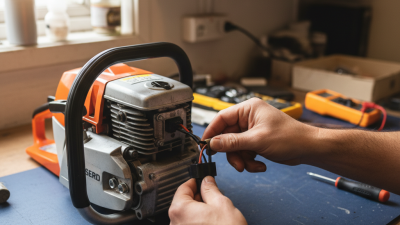
Small-engine repair author Paul Dempsey’s practical principle is simple: “Diagnose before you replace.” That advice fits the Stihl FC55 perfectly. Before ordering, inspect the ignition lead, connector, stop-switch wire, and flywheel clearance. A damaged plug or sheared flywheel key can imitate coil failure. Testing resistance alone may not reveal every fault, especially when the coil breaks down under heat.
The suppliers discussed here are assessed from a technician’s perspective. OEM parts usually offer dependable fit and documented specifications. Quality aftermarket options can reduce cost, but their materials and testing methods vary widely. Look for precise measurements, molded connectors, secure packaging, and a useful warranty. Avoid listings that show only a generic black coil.
There is no flawless buying decision. Some supplier reviews are incomplete, and product batches can change. That deserves attention. The best choice balances verified compatibility, supplier transparency, and realistic repair needs. With careful checking, this guide helps buyers find a trustworthy Stihl Fc55 Ignition Coil without replacing parts blindly.
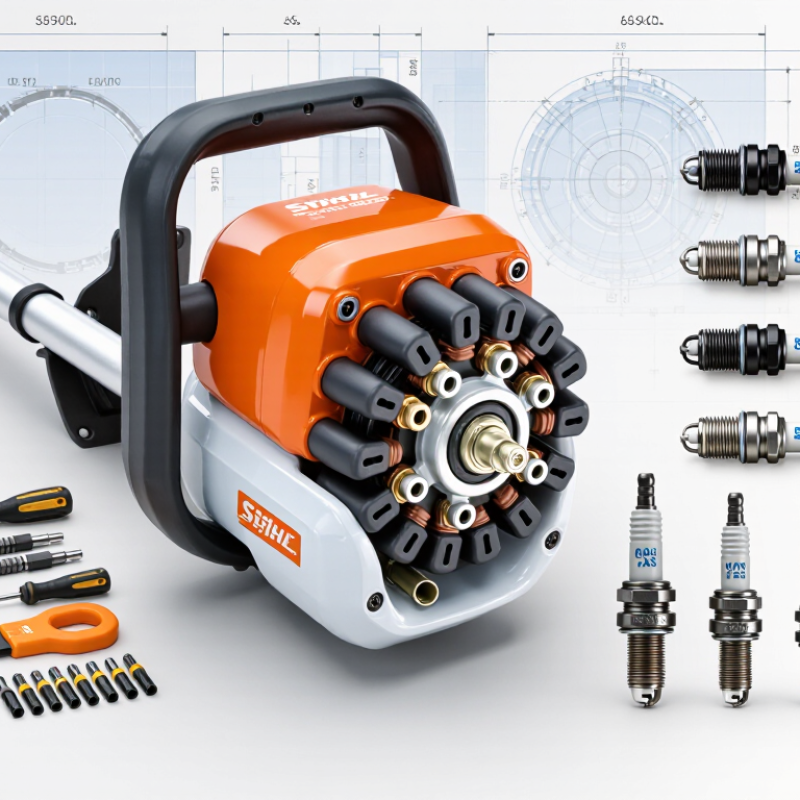
The FC55 ignition coil is a compact transformer. It converts low-voltage magnet energy into a high-voltage pulse for the spark plug. That pulse must arrive at the correct timing point. A weak coil can cause hard starting, random stalling, or a thin spark under load.
A practical check starts with the plug, cap, and stop-switch wire. Inspect each part before blaming the coil. The U.S. Environmental Protection Agency’s small spark-ignition engine guidance uses 19 kW as the handheld-engine power boundary and measures emissions in grams per kilowatt-hour. Poor ignition can disturb combustion and increase unburned fuel, although coil failure is not the only cause. A digital meter may show acceptable resistance while the coil fails when hot. This is where many quick repairs go wrong. Replacement suppliers should provide fitment data, resistance specifications, and a clear return policy. Generic appearance proves little.
Tips: Keep the flywheel air gap clean and measured. Check the service specification before installation. A thin, even spark is useful evidence, not final proof. Test again after warming the engine, because some faults appear only after several minutes. Photograph the wiring first; memory becomes unreliable during a rushed repair. If the new coil still fails, inspect grounding, plug condition, and flywheel magnets rather than repeatedly buying parts.
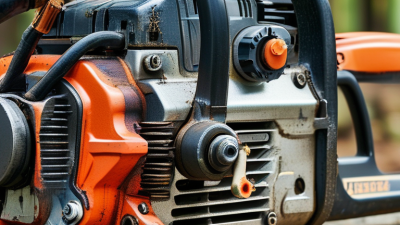
FC55 Ignition Coil Replacement Suppliers: Compatibility Checks
A replacement ignition coil must match the exact engine version, not only the FC55 designation. Check the model code and serial range on the machine’s identification label. Small production changes can alter the mounting position, connector shape, or spark plug lead length. In my workshop experience, a coil with matching bolt holes still failed because its lead sat too close to the flywheel. Measure the coil body, mounting-hole spacing, and cable reach before ordering. Confirm that the supplier provides a clear compatibility list and technical specifications. Vague listings deserve caution.
Compare the air-gap requirement with the manufacturer’s service data, usually measured between the coil legs and flywheel magnets. Resistance testing can help, but it should not decide compatibility alone. A coil may show acceptable resistance and still produce weak spark under heat. I have seen this mistake waste an afternoon. Check the terminal design, insulation quality, and included hardware. Ask whether the part is tested before dispatch. Reliable suppliers should explain their testing process, return terms, and support for installation questions. Photos help, but dimensions matter more.
Tips: Remove the old coil and photograph its wiring before purchase. Use a non-magnetic thickness gauge for the air gap. Turn the flywheel by hand and check for contact. If the supplier cannot confirm the engine variant, pause the order. Rechecking the serial label may feel excessive, but guessing costs more.
FC55-compatible ignition coil suppliers usually fall into five groups: original-equipment channels, independent aftermarket manufacturers, regional distributors, online marketplaces, and repair shops. Each type serves a different buyer. Original-equipment channels typically provide stronger traceability and clearer fitment records. Aftermarket manufacturers often offer lower prices and wider availability. Regional distributors can provide technical support, batch documentation, and faster delivery.
Online marketplaces are convenient, but quality varies sharply. A 2024 Grand View Research report valued the global outdoor power equipment market at about USD 33 billion, showing strong demand for replacement components. That demand also attracts inconsistent listings. Look for suppliers showing resistance specifications, connector photographs, production dates, and return conditions. A serious supplier should explain air-gap requirements, insulation testing, and compatibility limits. Vague descriptions are a warning.
Repair shops can be useful when diagnosis is uncertain. An ignition fault may come from the coil, flywheel magnet, wiring, or grounding switch. Replacing the wrong part wastes money. The U.S. Environmental Protection Agency’s small-engine emissions guidance emphasizes proper maintenance, which supports choosing tested components rather than the cheapest listing. I have seen low-cost coils work briefly, then fail after heat buildup. That experience is not universal, but it deserves attention. Reconditioned suppliers may reduce waste, yet their testing standards can be unclear. Ask for measured output evidence, warranty length, and inspection details before ordering.
Choosing an FC55 ignition coil supplier requires more than comparing the lowest listed price. In repair work, I inspect connector shape, mounting holes, lead length, and casting quality before installation. A genuine-looking package proves little. The coil should match the machine’s service specifications and produce a stable spark during repeated starting attempts. Suppliers with clear technical sheets appear more trustworthy than sellers using only polished photographs.
Pricing often varies because of winding materials, production testing, and included hardware. A very cheap unit may fit correctly but fail after several heat cycles. I once treated price as the main factor, and the replacement became unreliable within weeks. That experience still influences my checks. Compare the complete cost, including delivery, taxes, seals, and possible return shipping. A mid-range part with documented testing can be better value than a bargain replacement.
Warranty terms reveal how seriously a supplier supports its product. Look for a written coverage period, simple claim steps, and protection against premature electrical failure. Availability also matters during seasonal repair periods. Suppliers holding stock locally may ship within two days, while overseas listings can remain unavailable after payment. Check the inventory date, dispatch estimate, and tracking policy. Some listings seem available but are actually backordered. That detail is easy to miss. Keep the original invoice and installation notes, because responsible suppliers may request both during a warranty review.
Selecting the right ignition coil for a compact petrol trimmer starts with identification, not price. Record the engine model, production code, connector shape, mounting holes, and flywheel position. A coil that looks identical may still produce the wrong spark timing. I have seen replacements fail because buyers measured the bolt spacing but ignored the plug lead length.
Grand View Research estimated the global outdoor power equipment market at about US$32 billion in 2023, showing strong demand for repair parts. That growth also creates more low-quality listings. Choose suppliers that publish resistance readings, air-gap guidance, clear photos, and a written warranty. Ask for the measured primary and secondary resistance, then compare those figures with the service manual. A digital multimeter helps, but readings can vary with temperature. That detail is easy to miss.
Check the supplier’s return policy before ordering. Confirm whether the coil includes a lead, boot, grounding wire, and mounting screws. The U.S. Environmental Protection Agency’s nonroad engine data links poor combustion control with higher hydrocarbon emissions, so reliable ignition supports cleaner operation. Do not treat a “universal fit” label as proof. Verify the flywheel-to-coil gap with a nonmetallic gauge. I usually recheck it after tightening. Small movement can change starting performance. Shipping photos, batch numbers, and independent reviews provide useful evidence, although reviews are not laboratory tests.