Why Does Your Stihl Fs40 Ignition Coil Fail and How to Fix It?
When dealing with the Stihl FS40 ignition coil, issues can arise unexpectedly. Joe Acker, a lawn care equipment expert, emphasizes, “A failing ignition coil can halt productivity.” Understanding why this crucial component fails can save time and money.
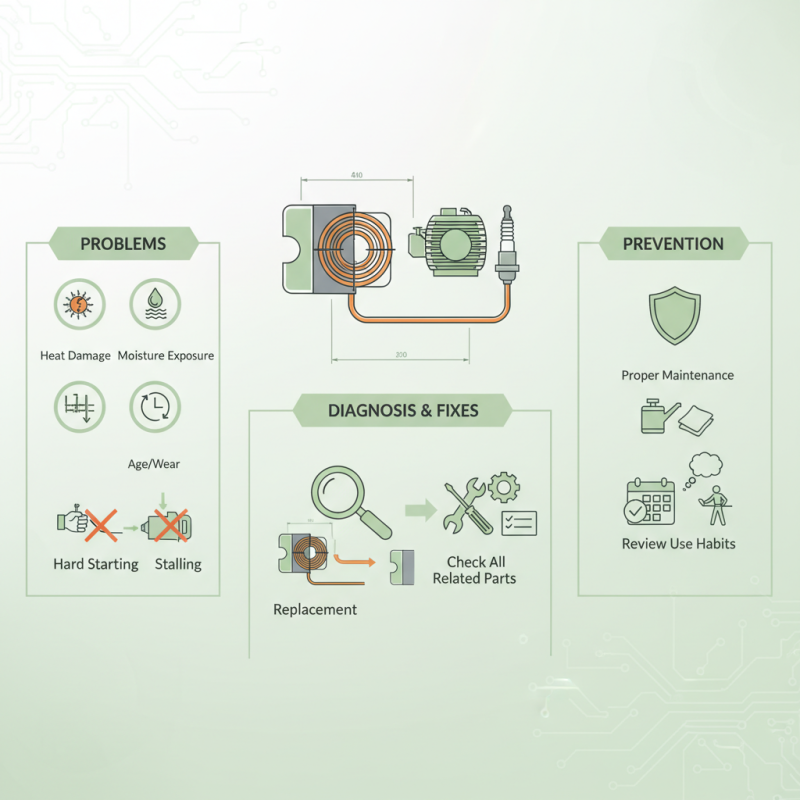
The Stihl FS40 ignition coil is essential for your trimmer's operation. It generates the high voltage necessary to ignite the fuel-air mixture in the engine. When it malfunctions, symptoms like hard starting or stalling occur, frustrating many users. Common causes include heat damage, moisture exposure, or age.
Fixing the Stihl FS40 ignition coil requires careful diagnosis. Replacement may seem straightforward, but ensure you check all related components. Ignoring underlying issues can lead to repeated failures. As with many mechanical parts, commitment to proper maintenance can extend its lifespan. Reflect on your use habits to prevent future problems.
Understanding the Function of the Ignition Coil in Stihl FS40
The ignition coil is a crucial component in small engines like the Stihl FS40. It generates the high-voltage spark needed to ignite the fuel-air mixture. This process is vital for achieving efficient engine performance. When the ignition coil fails, it can lead to starting issues or uneven engine operation.
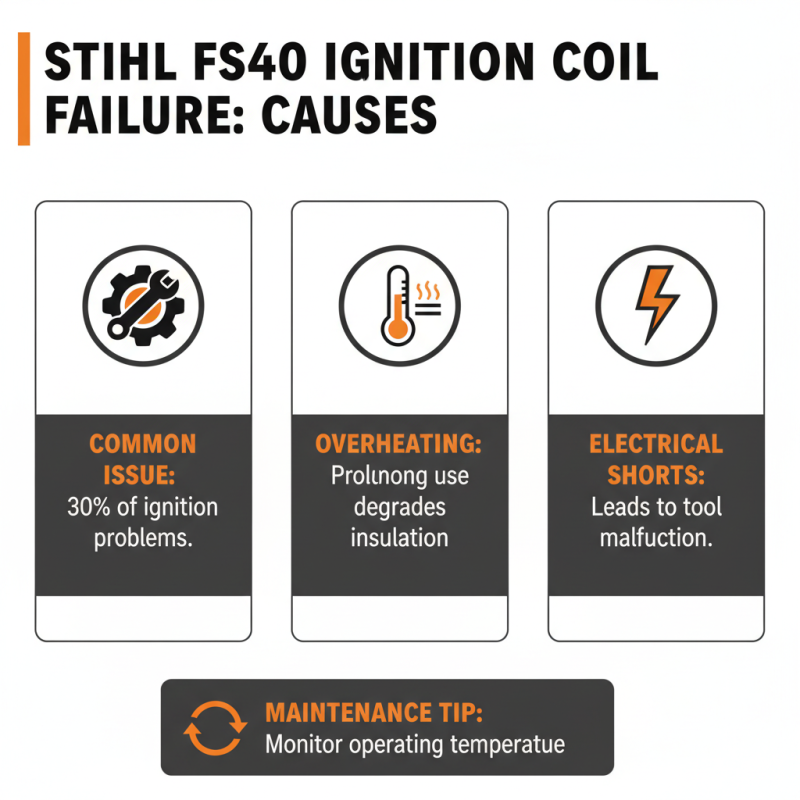
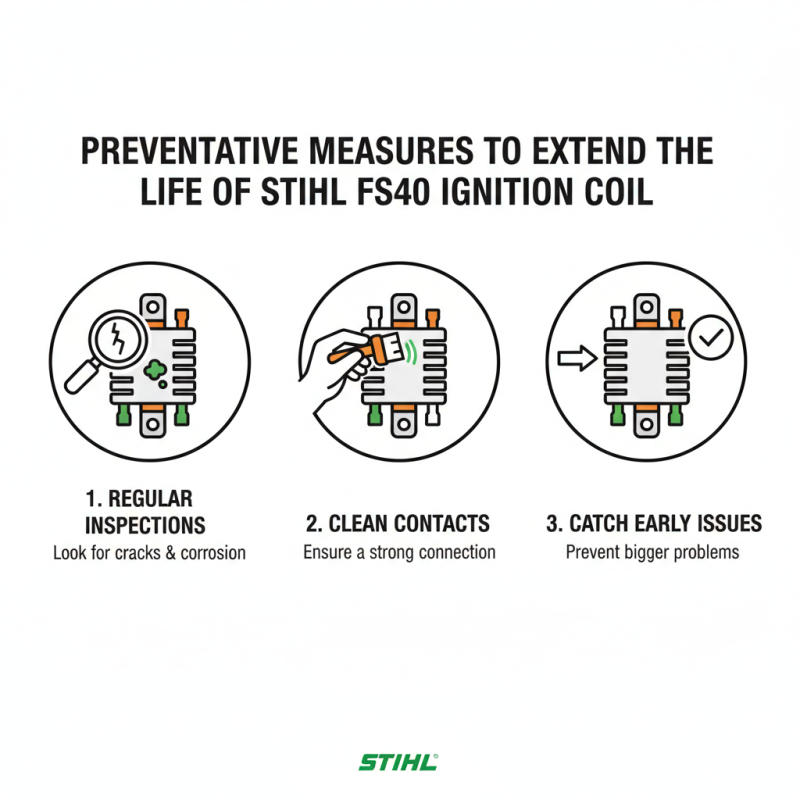
A faulty ignition coil can result from various factors. Overheating is common. Prolonged use can cause wear and tear. Moisture accumulation is another issue. This can lead to corrosion. Ignition coils may also degrade due to age. Regular maintenance helps prevent these problems. Checking connections and ensuring clean wiring is essential.
If you suspect ignition coil failure, testing can help identify the issue. Use a multimeter to check for resistance. If readings are off, replacement is necessary. Installing a new coil is straightforward but requires caution. Ensure you follow proper safety protocols. Reflecting on your maintenance routine can prevent future failures and enhance engine longevity.
Common Symptoms of a Failing Ignition Coil in Your Stihl FS40
A failing ignition coil can lead to various issues in your Stihl FS40. One common symptom is difficulty starting the engine. You may find it takes several attempts to get the machine running. If the ignition coil is weak, it won't produce the spark needed for combustion. This could leave you frustrated on a project, questioning if other parts may also be faulty.
Another noticeable issue is irregular engine performance. You might experience stalling or a lack of power while operating. The coil's failure may cause the engine to misfire, resulting in uneven power delivery. Pay attention to how the machine behaves during operation. If you notice sputtering or unexpected stops, the ignition coil may be the culprit.
Lastly, check for a backfiring sound. If your machine starts making sounds that it typically doesn’t, it might indicate coil malfunction. These signs can be easy to overlook but addressing them promptly can save time and repair costs. Getting familiar with these symptoms helps ensure your Stihl FS40 remains in leading condition.
Symptoms of a Failing Ignition Coil in Your Stihl FS40
This bar chart illustrates the common symptoms associated with a failing ignition coil in a Stihl FS40. The data highlights how frequently each symptom is reported by users, helping diagnose potential issues.
Step-by-Step Guide to Replacing the Ignition Coil in Stihl FS40
Replacing the ignition coil in your Stihl FS40 can seem daunting. However, understanding the process can simplify the task. Ignition coils are vital. They generate the spark needed for your engine to start. Failure can be due to age, electrical issues, or physical damage. Industry reports indicate that ignition coil failures often occur after 200 hours of use.
To replace the ignition coil, first, ensure the engine is cool and disconnect the spark plug. Remove the screws holding the ignition coil in place. Carefully detach the old coil from the wire connectors. Inspect the wiring for any signs of wear. Next, position the new ignition coil correctly and reverse the disassembly process. Tighten the screws securely to the manufacturer's specifications.
When performing this replacement, double-check your work. Misalignment or improper installation may lead to further issues. Some users report having to repeat the process due to careless installation. Take your time and focus on each step. Attention to detail ensures a successful repair and extends your equipment's lifespan.
Why Does Your Stihl Fs40 Ignition Coil Fail and How to Fix It? - Step-by-Step Guide to Replacing the Ignition Coil in Stihl FS40
| Issue |
Possible Causes |
Symptoms |
Solution |
| Ignition Coil Failure |
Overheating, Moisture Damage |
Engine won't start, Rough idling |
Replace ignition coil |
| Poor Performance |
Dirt, Corrosion |
Loss of power, Stalling |
Clean connections, Replace ignition coil if needed |
| Intermittent Spark |
Wiring Issues, Loose Connections |
Difficulty starting, Misfiring |
Check wiring, Tighten connections |
| Mechanical Damage |
Physical Impact |
Visible Damage to Coil |
Replace ignition coil |