Leave Your Message

Top 10 Stihl FS260 Ignition Coil Suppliers to Buy From?

Choosing the right Stihl Fs260 Ignition Coil requires more than comparing prices and product photographs. Compatibility, spark strength, insulation quality, and supplier reliability all matter. A coil may look identical online, yet its mounting points or electrical specifications can differ.

Small-engine technician Elena Morris explains, “A reliable ignition coil should be verified by fit, resistance, and real starting performance.” Her point is practical. A workshop bench often reveals more than a polished listing. Technicians check the connector, inspect the laminated core, and compare the part against the original module. They also consider whether the seller provides clear specifications and responsive support.

This guide examines ten suppliers offering Stihl Fs260 Ignition Coil options for professional repairs and careful maintenance. It considers product descriptions, customer feedback, delivery practices, warranty language, and replacement guidance. These details can prevent an expensive mismatch. A low-cost coil is not always a smart purchase. Neither is the most expensive one automatically dependable.

Supplier information changes. Stock disappears. Reviews can become outdated. That weakness deserves attention. Buyers should confirm the exact FS 260 model, production details, and return conditions before ordering. Some listings use broad compatibility claims without explaining testing procedures. That should raise questions.

The featured suppliers represent different strengths, including specialist knowledge, accessible pricing, fast dispatch, or stronger after-sales communication. No ranking stays perfect forever. Use this overview as a practical starting point, then verify the technical details with the supplier or a qualified repair professional.
Top 10 Stihl FS260 Ignition Coil Suppliers to Buy From?

Understanding the Stihl FS260 Ignition Coil and Its Compatibility

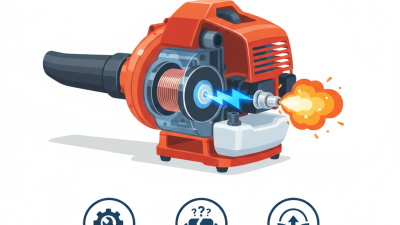
Choosing an ignition coil for a FS260-class brush cutter requires more than matching appearance. The correct unit must fit the engine family, mounting holes, flywheel magnet position, spark-plug lead, and stop-switch circuit. ISO 11806-1 emphasizes safe ignition isolation and control placement for hand-held cutters. Compatibility is therefore both electrical and mechanical.

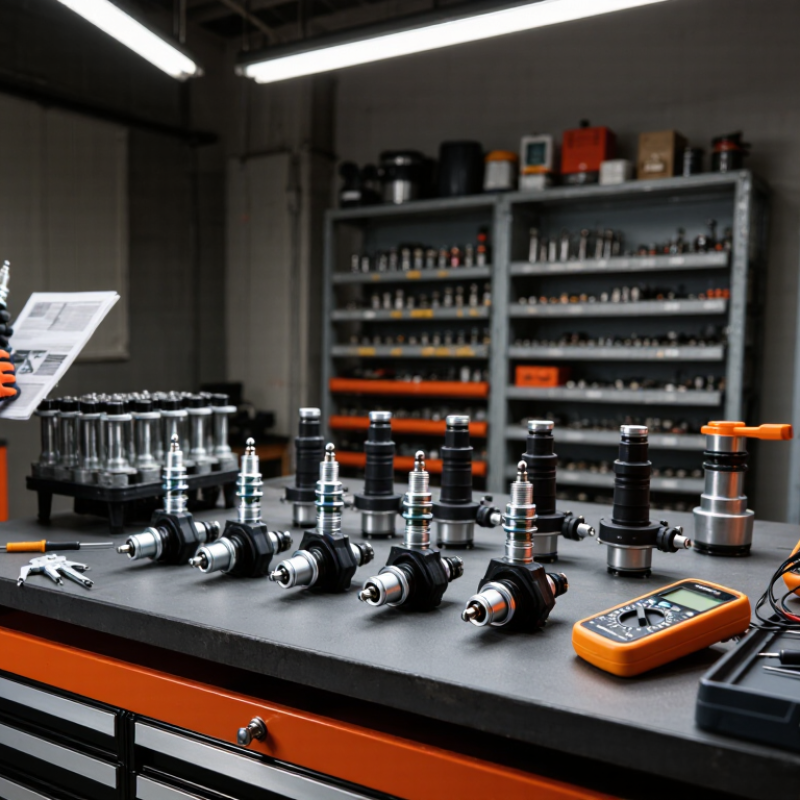
A field technician should check the original coil’s part number, air gap, connector shape, and measured resistance. Resistance alone can mislead. A weak coil may show acceptable readings when cold, then fail after heat builds near the cylinder. U.S. EPA small spark-ignition engine certification data also separates engine families by displacement and emission configuration. That detail matters when comparing replacement suppliers. A visually similar coil may produce unstable timing or poor starting. I have seen this assumption fail.

Tips: Ask suppliers for tested compatibility lists, not only photographs. Confirm the flywheel-to-coil gap with a non-metallic gauge. Many service manuals specify roughly 0.30–0.40 mm, but the engine’s own specification should control. Check spark strength after warming the engine. Keep the receipt. A supplier offering batch traceability and clear return terms is safer than the cheapest listing. Market reports published in 2024 also show continued growth in aftermarket small-engine parts, increasing choice but not necessarily accuracy.
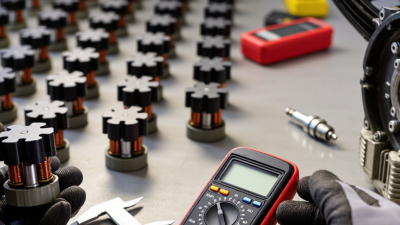
Key Factors for Evaluating Ignition Coil Suppliers

Top 10 Stihl FS260 Ignition Coil Suppliers to Buy From?

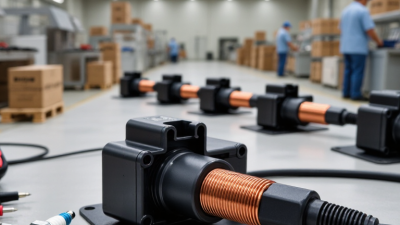
When evaluating ignition coil suppliers, verify fitment before comparing prices. A 2024 Fortune Business Insights report projects the global automotive ignition coil market to grow at about 4.4% annually. Although it covers automotive systems, the trend highlights rising demand for reliable ignition components. Small-engine buyers need similar discipline. Ask suppliers for exact engine compatibility, resistance readings, insulation materials, and operating-temperature limits. Request test reports, batch codes, and traceable production records. Clear evidence matters more than polished product pages.

Supplier experience also deserves close attention. A dependable seller should explain voltage behavior, spark timing, connector design, and common failure symptoms. Look for documented quality systems, such as ISO 9001 certification, but do not treat certification as proof of perfect performance. It is only one signal. The International Organization for Standardization reported over one million ISO 9001 certificates worldwide in its latest survey, showing how common certification has become. Warranty terms should state coverage length, return procedures, and testing requirements. Check delivery data too. A low price means little if replacement parts arrive after equipment downtime. My own sourcing mistake was trusting a five-star rating without checking technical measurements. Reviews can be useful. They can also be incomplete. A supplier willing to discuss failed samples, tolerance limits, and corrective actions usually deserves closer consideration.

Top 10 Stihl FS260 Ignition Coil Suppliers to Buy From? - Key Factors for Evaluating Ignition Coil Suppliers

Rank Supplier Evaluation Factor What to Verify Recommended Evidence Priority Buyer Decision Rule
1 Exact Application Compatibility Confirm that the ignition coil is specified for the exact trimmer model, engine version, connector layout, mounting points, and flywheel arrangement. Application list, dimensional drawing, connector photographs, and a fitment confirmation in writing. Critical Reject any supplier that cannot confirm compatibility using technical documentation rather than photographs alone.
2 Electrical Performance Testing Check whether each production batch is tested for winding continuity, insulation condition, spark output, and stop-switch function. Sample test report, inspection procedure, test equipment list, and batch-release records. Critical Prefer suppliers with documented 100% functional testing or a clearly defined, risk-based sampling plan.
3 Dimensional and Mounting Accuracy Verify mounting-hole spacing, core position, air-gap clearance, connector orientation, and cable routing against the required assembly. Controlled engineering drawing, tolerance sheet, first-article inspection report, and physical sample. Critical Approve only samples that install without forced alignment, cable interference, or abnormal clearance.
4 Material and Insulation Quality Assess coil-wire insulation, encapsulation quality, terminal materials, cable jacket durability, and resistance to heat, oil, and vibration. Material declarations, incoming inspection records, supplier specifications, and environmental test results. High Choose suppliers that can identify critical materials and control material changes through approval procedures.
5 Quality Management System Determine whether production, inspection, nonconformity handling, and corrective actions are managed through a documented quality system. Current quality certificate, process-control plan, audit summary, and corrective-action examples. High Give preference to verifiable third-party certification and suppliers willing to support customer audits.
6 Traceability and Batch Control Check whether finished units can be traced to production date, lot number, components, inspection results, and shipment records. Lot-code format, packing-label sample, traceability procedure, and retention-period policy. High Select suppliers that can isolate affected lots quickly if a field or incoming-inspection issue occurs.
7 Sampling and First-Article Support Evaluate sample availability, engineering communication, packaging quality, and willingness to provide pre-production inspection support. Sample quotation, inspection checklist, sample lead-time commitment, and technical contact details. Medium Avoid committing to volume orders before a representative sample passes installation and functional checks.
8 Warranty and Returns Process Review warranty duration, covered defects, claim evidence, replacement terms, response times, and responsibility for repeated failures. Written warranty policy, return authorization procedure, failure-analysis template, and service contact. High Treat unclear warranty language or verbal-only commitments as a commercial risk.
9 Supply Capacity and Lead-Time Control Confirm realistic production capacity, minimum order quantity, standard lead time, peak-season planning, and shortage communication procedures. Capacity statement, production schedule, order history summary, and written lead-time quotation. Medium Compare promised lead time with demonstrated delivery performance before selecting a primary source.
10 Total Cost and Commercial Transparency Compare unit price together with tooling, sampling, inspection, packaging, shipping, taxes, warranty exposure, and replacement costs. Itemized quotation, payment terms, packaging specification, shipping terms, and change-notification policy. Medium Do not select the lowest quoted price unless technical compliance, quality controls, and after-sales terms are also acceptable.

Note: Supplier performance should be confirmed through current technical documents, representative samples, inspection results, and written commercial terms. Compatibility and electrical specifications should be validated before installation or volume purchasing.

Top 10 Stihl FS260 Ignition Coil Suppliers to Consider

Choosing the right FS260-compatible ignition coil supplier requires more than comparing prices. Reliable suppliers provide clear specifications, stable packaging, and practical support after purchase. Look for sellers who list resistance readings, connector details, mounting dimensions, and tested compatibility.

Experienced buyers often check product photos carefully. The coil should have clean terminals, firm insulation, and accurately positioned mounting holes. A dependable supplier should also explain testing procedures and offer a reasonable return policy. Customer reviews can reveal useful details, especially reports about starting performance after several hours of use. Still, reviews are not perfect evidence.

Tips: Ask for the exact engine application before ordering. Confirm the ignition module gap and connector shape. Request a batch number or inspection record when available. Avoid suppliers who provide only vague compatibility claims. A low price may hide weak insulation or inconsistent quality. I have found that quick replies are helpful, but fast communication alone does not prove technical competence. Suppliers with clear documentation deserve more attention, even when their prices are slightly higher. Check shipping protection too. A crushed box can damage delicate terminals before installation. Keep the original packaging until the engine starts reliably. Mistakes happen. Careful verification reduces them.

How to Compare Prices, Quality, Warranty, and Delivery Options

Choosing an FS260-compatible ignition coil supplier requires more than finding the lowest price. A cheap unit may use weaker insulation, uneven winding, or poorly sealed connectors. Ask for tested resistance readings, material details, and clear compatibility information. Experienced repairers often compare the coil’s fit, spark strength, and heat performance after installation. Product photos help, but they cannot replace technical evidence.

Price should be judged against warranty length and return conditions. A supplier offering a six-month warranty may provide better value than one offering a slightly cheaper part without support. Check whether the warranty covers early failure, installation issues, and shipping costs. Delivery also matters. Confirm stock status, dispatch time, tracking, and packaging quality. A crushed box can damage a component before it reaches the workshop. I have seen listings promise fast shipping, yet the part was only ordered after payment. That detail deserves more attention.

Tips: Request a written quotation with the part number, test standard, warranty terms, and delivery date. Compare at least three suppliers using the same questions. Read recent buyer feedback, especially comments about fit and repeated failures. Do not trust perfect ratings alone. One supplier may look professional but provide vague answers. That is a warning sign. My own comparison method is useful, but not flawless; electrical testing after arrival remains essential.

Steps for Choosing and Purchasing the Right Ignition Coil

Choosing the right ignition coil for an FS260-style brush cutter starts with exact identification.

Check the model label, production details, connector shape, mounting holes, and cable length. Similar-looking coils can differ internally. A poor match may produce weak sparks, difficult starting, or overheating.

Compare ten potential suppliers through technical evidence, not attractive photographs.

Request resistance readings, compatibility details, installation instructions, and clear product dimensions. A reliable seller should provide batch information, a traceable invoice, and a practical return policy.

Read recent customer feedback carefully. Look for comments about cold starting, spark consistency, and fit around the flywheel. Very cheap parts deserve extra questions.

Before purchasing, inspect your machine’s existing coil and measure the air gap with a nonmetallic gauge.

Remove grass and dust near the mounting area. I once overlooked a slightly bent mounting tab, and the replacement seemed faulty until the real problem appeared. That mistake still matters.

Confirm the supplier’s answer in writing, especially when the listing uses vague phrases like “universal fit.”

After installation, test the spark with an approved tester and run the engine briefly. Stop if the coil becomes unusually hot, the engine cuts out, or the plug remains wet. Small details decide reliability.