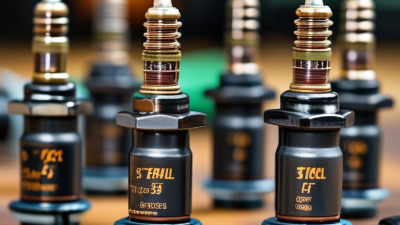
China has become a major sourcing base for ignition components, supported by its extensive vehicle manufacturing and supplier network. The China Association of Automobile Manufacturers reported 31.28 million vehicle sales in 2024, including 12.87 million new-energy vehicles. That scale creates strong demand for dependable replacement parts and export-ready ignition systems.
For global buyers, choosing an Mtd Ignition Coil manufacturer involves more than comparing unit prices. Production consistency, winding quality, connector fit, insulation strength, and heat resistance can affect engine performance. OICA recorded more than 93 million vehicles produced worldwide in 2023, showing the broad replacement opportunity across passenger cars, light commercial vehicles, and older combustion models. However, electric vehicle growth changes the market. A supplier should understand both current demand and long-term product planning.
This guide evaluates leading Chinese manufacturers through practical purchasing criteria. These include factory experience, product coverage, test procedures, traceable materials, and international quality systems such as IATF 16949. Buyers should also review voltage stability, operating temperature, vibration testing, warranty handling, and sample approval records. A polished website is not enough. Ask for test data. Ask for production evidence.
The aftermarket data is not perfectly uniform. Industry reports from MarketsandMarkets and Grand View Research use different market definitions, so their forecasts vary. That uncertainty deserves attention. The most reliable decision combines published research, independent verification, and direct factory communication. China offers competitive manufacturing depth, but supplier selection still requires patience, technical judgment, and careful validation.
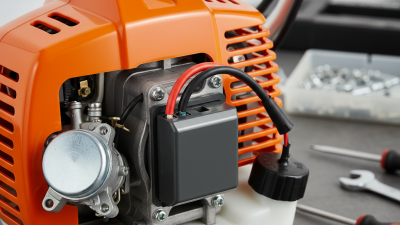
Ignition coils for outdoor power equipment convert magnetic energy into the high voltage needed for spark generation. They work with a flywheel magnet, creating a timed electrical pulse for the spark plug. In practical terms, the coil helps a mower or compact utility engine start, idle, and produce steady power. When it fails, users may notice hard starting, misfiring, or sudden stalling.
Global buyers need these coils because maintenance demand continues across residential, agricultural, and landscaping equipment. A correct replacement must match the engine model, mounting holes, terminal design, and flywheel clearance. Even a small gap error can weaken the spark. I have seen visually identical coils perform differently after installation. Appearance is not proof of compatibility.
Reliable manufacturers should control winding quality, insulation strength, heat resistance, and connector fit. Buyers should request production samples, resistance data, temperature test records, and batch traceability. Field testing remains important. A coil may pass a basic resistance check yet fail after repeated hot starts. That shortcut is tempting, but incomplete. Suppliers with documented inspection procedures usually offer more dependable support for international orders. Packaging also matters, especially when parts travel through humid warehouses or long shipping routes. Clear labels reduce installation mistakes, although labels can still be wrong. Independent verification is worth the extra time.
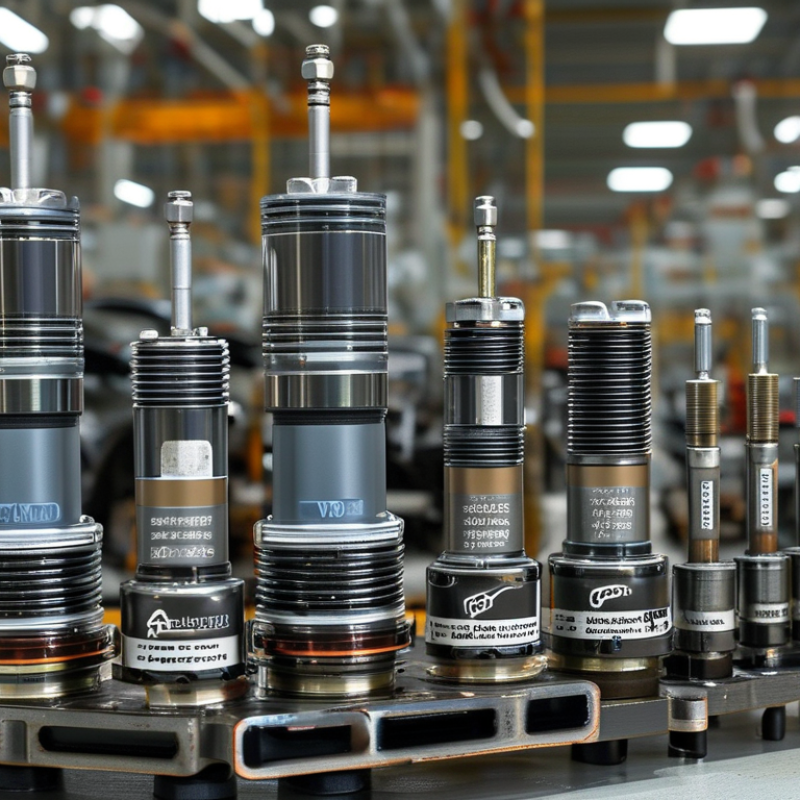
Global buyers should evaluate ignition-coil manufacturers through measured evidence, not polished catalogs. S&P Global Mobility reported that the average U.S. vehicle age reached 12.6 years in 2024. That aging fleet increases demand for dependable replacement components. Ask suppliers for resistance readings, insulation-voltage results, thermal-cycle records, and cold-start data. A credible factory should explain test conditions clearly.
“Numbers without methods are weak.”
Check dimensional accuracy before discussing price. Compare connector locking force, mounting-hole position, core dimensions, and sealing quality against approved samples. Suppliers should provide batch traceability, material certificates, and documented corrective actions. ISO 9001 certification is useful, but IATF 16949 experience offers stronger evidence for automotive production control. Verify the certificate directly. Small details matter.
Production capacity also needs practical testing. Request a pilot order, inspect packaging after vibration exposure, and review failure rates over several shipments. The U.S. Department of Energy’s Vehicle Technologies Office highlights thermal stress and voltage stability as important factors in ignition-system durability. Manufacturers should therefore disclose operating-temperature ranges and electrical tolerances. Warranty language deserves careful reading. A long warranty means little if claims require difficult evidence or exclude common installation conditions. I would also examine response time, tooling ownership, minimum order quantities, and continuity plans for copper, resin, and terminals. No supplier is perfect; vague answers should trigger a second review, not an immediate rejection.
China’s leading MTD ignition coil manufacturers are increasingly serving international outdoor-power-equipment markets. Their advantage is not only lower production cost. It also includes tooling flexibility, rapid sampling, and experience with varied engine platforms. Grand View Research estimates the global automotive ignition coil market will expand at roughly 5% annually through 2030. That broader trend supports demand for reliable compact-engine components, although MTD applications require precise fitment rather than generic volume production.
Reliable manufacturers typically control copper winding, insulation molding, terminal quality, and magnetic-core consistency in-house. They should provide resistance readings, spark-output records, temperature-cycle results, and traceable batch numbers. Look for suppliers that verify mounting-hole positions, connector geometry, ignition timing, and air-gap recommendations before shipment. Small errors matter. A coil may pass a bench test yet fail after repeated mowing cycles, vibration, moisture, and heat. International buyers also need export packaging, multilingual documents, and production records suitable for different markets.
Industry reports from MarketsandMarkets identify durability, emission efficiency, and electronic ignition systems as major growth factors. These findings are relevant, but not perfectly specific to lawn equipment. That limitation deserves attention. A dependable Chinese supplier should therefore support sample testing on the buyer’s actual engine, not rely on catalog matching alone. Factory audits, incoming inspection plans, and independent laboratory testing can reduce uncertainty. The cheapest quotation is often not the lowest ownership cost. Expect some revisions. Good engineering leaves room for them.
| Evaluation Dimension | Buyer-Focused Requirement | Typical Industry Reference | Recommended Verification Method | Relevance to International Buyers |
|---|---|---|---|---|
| Application Compatibility | Correct fit for the engine family, mounting points, flywheel magnet position, and ignition timing. | Compatibility must be confirmed by engine model, coil geometry, connector layout, and air gap specification. | Review engineering drawings, interchange references, installation samples, and fitment test reports. | Reduces returns caused by visually similar but electrically incompatible replacement parts. |
| Ignition Technology | Appropriate design for the engine’s ignition architecture. | Common small-engine designs include magneto-based ignition coils with integrated primary and secondary windings. | Request circuit diagrams, resistance data, spark-test results, and functional test procedures. | Supports reliable starting and stable operation across different engine configurations. |
| Electrical Performance | Consistent spark generation throughout the specified operating-speed range. | Performance depends on winding design, magnetic flux, insulation quality, air gap, and operating temperature. | Compare cold-start, hot-start, high-speed, and low-speed spark-test results against an approved reference sample. | Helps buyers evaluate practical performance rather than relying only on resistance readings. |
| Insulation and Encapsulation | Protection against vibration, moisture, thermal cycling, and electrical breakdown. | Ignition coils commonly use molded polymer or resin encapsulation to protect windings and connections. | Check material declarations, dielectric-strength tests, thermal-aging results, and visual inspection standards. | Important for outdoor power equipment exposed to dust, rain, heat, and continuous vibration. |
| Temperature Resistance | Stable ignition output under engine-compartment heat and repeated thermal cycling. | The required temperature range varies by engine design, housing location, insulation system, and duty cycle. | Request temperature-cycle testing, hot-soak testing, and post-test electrical inspection. | Reduces intermittent failure after the engine reaches operating temperature. |
| Environmental Durability | Resistance to water ingress, corrosion, fuel vapor, oil mist, and mechanical vibration. | Outdoor-engine components should be evaluated for moisture exposure, vibration, and corrosion at terminals and fasteners. | Review salt-spray, vibration, humidity, and ingress-protection test evidence where applicable. | Improves service life in humid, coastal, agricultural, and high-dust markets. |
| Dimensional Control | Accurate mounting-hole spacing, bracket geometry, connector position, and flywheel clearance. | Small dimensional deviations can cause contact with the flywheel or incorrect magnetic coupling. | Use controlled drawings, coordinate measurements, go/no-go fixtures, and first-article inspection. | Ensures installation consistency for distributors, repair shops, and end users. |
| Quality Management | Documented production controls, traceability, and corrective-action procedures. | A quality-management system aligned with ISO 9001 principles is commonly used for repeatable manufacturing control. | Request a current certificate, process-control plan, inspection records, and lot traceability samples. | Makes quality performance easier to audit across international supply chains. |
| Compliance Documentation | Documentation suitable for the destination country and product category. | Requirements may include material declarations, product safety documentation, labeling, and customs information. | Confirm destination-market obligations with the importer, customs broker, and applicable regulatory authority. | Prevents shipment delays and supports compliant resale in different jurisdictions. |
| Packaging and Labeling | Protection from impact, moisture, electrostatic discharge, and mix-ups during transport. | Useful packaging normally includes part identification, batch or lot information, installation guidance, and protective inserts. | Approve packaging samples and conduct carton-drop, moisture, barcode, and label-legibility checks. | Lowers warehouse errors and transit damage for global distribution. |
| Supply Capability | Stable lead times, repeatable quality, and the ability to support replacement-part programs. | Capacity should be assessed by verified production equipment, inspection resources, staffing, and documented output records. | Use a factory audit, capacity review, sample-order history, and on-time-delivery records. | Helps international buyers maintain inventory availability without depending on unverified claims. |
| After-Sales Support | Technical assistance for diagnosis, installation, warranty handling, and field failures. | Effective support should include troubleshooting instructions, failure-analysis feedback, and a defined warranty process. | Confirm response times, return procedures, technical contacts, and required failure evidence before purchasing. | Reduces downtime and improves customer satisfaction in overseas markets. |
Note: Specifications and compliance requirements should be confirmed against the exact engine application, destination market, and approved technical documentation before purchase.
Choosing reliable MTD ignition coil manufacturers requires more than comparing prices or polished catalogs. Product quality should be checked through measurable evidence. Ask for resistance readings, insulation tests, thermal cycling results, and vibration data. A dependable supplier can explain test conditions clearly. Sample coils should also be inspected for clean molding, secure terminals, and consistent winding.
Compatibility deserves equal attention. Confirm the engine code, connector shape, mounting dimensions, operating voltage, and ignition control requirements. An incorrect coil may fit physically but still create misfires or unstable starting. Compare the supplier’s cross-reference list with verified vehicle data. Then test samples on representative engines, including cold starts and extended heat exposure. Catalog information can contain mistakes. That risk deserves attention.
Tips: Request batch-level test reports, traceability records, and production dates. Review ISO 9001 or automotive quality certification documents carefully. For higher-risk applications, ask about IATF 16949 systems and applicable market approvals. Certificates support credibility, but they do not replace independent inspection. Check warranty terms, return procedures, and historical defect rates. A factory audit can reveal storage problems, weak process controls, or rushed final testing. Small details matter. Suppliers should also disclose design changes before shipment, although communication may not always be perfect. That limitation should be written into the purchasing agreement.
Global buyers choosing MTD ignition coil manufacturers need more than a low quotation. Ordering should begin with vehicle applications, engine codes, annual volume, and delivery destination. Ask for drawings, connector details, resistance ranges, and tested operating temperatures. A clear purchase order should define samples, packaging, labeling, payment milestones, and shipment terms. Small omissions become expensive later. Experienced suppliers confirm specifications before production, rather than guessing from photographs.
Quality control must be visible, not simply promised. Request incoming inspection records for wire, terminals, resin, and magnetic cores. During assembly, check winding consistency, insulation, connector fit, and sealing. Final tests should include resistance, high-voltage output, heat cycling, vibration, and leakage inspection. Batch numbers should connect each carton to production and test records. Independent pre-shipment inspection can expose weak packaging or mixed applications. Yet no process catches everything. A supplier that discusses failure rates openly can be easier to manage.
After-sales support matters when a coil fails in a remote market. Set a response time before ordering. The support team should review photos, fault codes, installation conditions, and returned samples. Clear warranty terms should explain coverage, evidence requirements, replacement timing, and freight responsibility. Keep a small reserve of approved samples for comparison. In practice, returns sometimes reveal installation faults, not manufacturing defects. That distinction requires patience and technical judgment. Fast answers are not always accurate answers. A written corrective-action report is more useful than a polite apology.