Leave Your Message

Why Choose Quality Lawn Mower Parts?

Choosing quality Lawn Mower Parts is not merely a purchasing preference. It is a practical decision about safety, cutting performance, and long-term equipment health. A genuine blade should hold its edge across repeated mowing sessions. A durable belt should resist stretching near hot engine components. A reliable air filter should catch dust without restricting airflow.

Kris Kiser, president and CEO of the Outdoor Power Equipment Institute, has stated, “A well-maintained mower is a safer mower.” That principle applies directly to replacement parts. Poorly fitted components can create vibration, uneven cutting, excessive noise, or unexpected mechanical failure. The warning may begin as a small rattle under the deck. Ignoring it can become expensive.

Experienced technicians usually check the mower’s model number, deck size, engine type, and part specifications before installation. They also inspect nearby components. A worn pulley can damage a new belt. A bent blade can overload the spindle. Quality Lawn Mower Parts cannot correct every maintenance mistake.

That is where honest reflection matters. The cheapest part sometimes works. It may even fit perfectly. However, appearance does not prove strength, balance, or service life. I have seen owners replace the same low-grade belt several times, while one correctly selected belt performed through an entire season. Results vary with grass, storage, and workload.

Reliable parts support smoother operation and more predictable maintenance. They also reduce avoidable interruptions during wet spring growth. Quality is not a promise of perfection. It is a better starting point for responsible mowing.
Why Choose Quality Lawn Mower Parts?

What Are Quality Lawn Mower Parts?

Quality lawn mower parts are replacement components designed to restore safe, dependable cutting performance. They include blades, belts, filters, spark plugs, wheels, and control cables. A quality part matches the mower’s measurements, operating speed, and mounting system. It should also meet the equipment maker’s stated specifications. That match matters. A blade that looks correct may still vibrate if its balance or center hole differs.

In practical maintenance, good materials reveal themselves through consistent use. A properly hardened blade keeps its edge longer and resists bending after contact with ordinary grass and small debris. A strong belt maintains tension without cracking quickly. Seals should remain flexible around dust and moisture. Filters need even, tightly held media, not loose fibers that bypass the housing. These details affect cutting quality, engine load, fuel use, and operator safety. Inspect the fit before installation, and compare the old part with the new one.

I once chose a cheaper belt because it appeared identical. It stretched within weeks. That shortcut was wrong. Price alone cannot define quality, but appearance cannot prove it either. Reliable parts come with clear dimensions, material information, traceable testing, and sensible installation guidance. Check the mower’s model details, shaft size, belt length, and thread direction. If a part requires force, stop and reassess. A small mismatch can damage a spindle or loosen during operation. Quality means predictable performance, not perfection, and maintenance still depends on correct fitting, cleaning, and timely inspection.
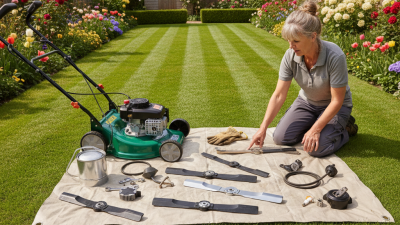
How Do Quality Parts Improve Mower Performance?

Why Choose Quality Lawn Mower Parts?

Quality parts improve mower performance by restoring the machine’s original airflow, fuel delivery, and cutting balance. A sharp, correctly fitted blade produces cleaner cuts and reduces repeated passes. A properly sealed air filter also helps protect the engine from dust, especially on dry lawns. The U.S. Environmental Protection Agency has reported that one hour of gas mower operation can create pollution comparable to driving a new passenger car for about 45 miles. That comparison is older, but it still highlights the value of efficient combustion and regular maintenance.

From hands-on repair work, I have seen a worn belt slip under wet grass. The engine sounded healthy, yet the blade slowed noticeably. Replacing it with a precise, durable part restored cutting speed and reduced vibration. The same principle applies to spark plugs, wheels, cables, and blade adapters. The Outdoor Power Equipment Institute advises following equipment maintenance schedules and using correctly specified replacement components. Small mismatches can cause uneven cutting, excess noise, or premature wear. Quality is not always perfect, either. Installation errors can cancel out a good part.

Tips: Match the part number carefully. Check blade balance before installation. Clean the air filter housing. Inspect belts for cracks and glazing. Test the mower briefly before cutting a full lawn. A short inspection often prevents a long repair.

Why Choose Quality Lawn Mower Parts? - How Do Quality Parts Improve Mower Performance?

Mower Part Quality Characteristic Typical Performance Difference How It Improves Mowing Practical Check
Mower Blade Correct steel hardness, accurate balance, and a sharp cutting edge A sharp, balanced blade cuts grass cleanly and produces less vibration than a dull or bent blade Improves cut appearance, reduces grass shredding, and helps limit unnecessary engine load Inspect the cutting edge, check for bends, and balance the blade after sharpening
Air Filter Correct filtration efficiency with adequate airflow and a properly sealed fit A clean filter allows the engine to receive the air required for the designed fuel-air mixture; a clogged filter restricts airflow Supports easier starting, steadier engine speed, and more consistent fuel combustion Replace or clean according to the engine manual; never operate with a damaged seal
Spark Plug Correct heat range, electrode condition, and model-specific gap A correctly specified plug provides a reliable ignition spark; worn or incorrectly gapped electrodes can cause misfiring Promotes smoother running, dependable starting, and more complete fuel combustion Check the gap with a gauge and replace the plug when the electrode is worn, fouled, or damaged
Drive Belt Correct length, heat resistance, tensile strength, and compatibility with the pulley system A properly sized belt transfers power with less slipping than a stretched, glazed, or incorrectly sized belt Maintains more consistent blade or wheel speed and reduces premature pulley wear Inspect for cracks, glazing, fraying, and excessive slack; follow the specified tension procedure
Fuel Filter Appropriate filtration rating, flow capacity, and chemical resistance A clean filter allows fuel to reach the engine at the required flow; a restricted filter can reduce fuel delivery Helps maintain stable engine output and protects the carburetor or fuel-injection components Replace if visibly contaminated, restricted, cracked, or beyond the recommended service interval
Wheel and Deck Hardware Accurate dimensions, corrosion resistance, and secure fastener fit Correctly fitted hardware maintains deck alignment and reduces looseness during operation Improves maneuverability, cutting-height consistency, and operator comfort Check wheel movement, deck fasteners, axle wear, and cutting-height settings before use
Engine Oil Filter Suitable filtration media, pressure capability, and correct sealing surface Effective filtration removes abrasive particles from circulating oil and supports proper lubrication Reduces contamination-related wear and helps maintain dependable engine operation Use the specified filter type and replace it with the engine oil at the recommended interval
Battery Correct voltage, cold-cranking capability, terminal quality, and vibration resistance A healthy battery provides more reliable cranking than one with low capacity or corroded terminals Supports faster electric starting and more dependable operation of safety and control systems Measure resting voltage when applicable, clean terminals, and secure the battery correctly

Note: Performance varies by mower design, engine condition, operating environment, and maintenance history. Always confirm part dimensions, specifications, and service intervals in the equipment manufacturer’s manual.

Which Materials and Features Define Reliable Mower Parts?

Why Choose Quality Lawn Mower Parts?

Which Materials and Features Define Reliable Mower Parts?

Reliable mower parts begin with materials suited to heat, vibration, moisture, and repeated impact. A mower blade should use hardened steel that keeps its edge without becoming dangerously brittle. Corrosion-resistant coatings help, especially when grass clippings remain damp beneath the deck. I have found that thick, evenly finished metal usually lasts longer than thin material with a glossy surface.

Small components matter, too. Sealed bearings reduce contamination from dust and clippings. Strong belts need flexible rubber compounds that resist cracking during temperature changes. Reinforced plastic housings can work well when their mounting points are thick and accurately shaped. Cheap plastic is not always weak, but poorly supported corners often fail first. Fit matters greatly.

Check the part’s dimensions, hole spacing, shaft size, and operating temperature range. Precise tolerances reduce wobbling and uneven cutting. Secure fasteners should resist loosening, while safety shields need firm attachment without blocking maintenance access. Good parts also include clear installation information and traceable material details. That supports safer repairs and more consistent results.

I once replaced a worn blade with a heavier-looking option. It created extra vibration because its balance was slightly off. That mistake changed my view. Weight alone proves little. A dependable part should match the mower’s specifications, manufacturing quality, and real working conditions. No component is perfect. Regular inspection still matters.

Why Choose Quality Lawn Mower Parts?

Which materials and features define reliable mower parts?

Representative tensile-strength values show why heat-treated steel and stainless steel are widely used for high-load components such as blades, shafts, and fasteners. Reinforced nylon is lighter and corrosion-resistant, making it suitable for selected covers, guides, and low-load components. Actual performance varies by alloy, heat treatment, design, and operating conditions.

How Can Quality Parts Increase Safety and Equipment Lifespan?

Quality lawn mower parts do more than keep a machine running. They help control the risks created by sharp blades, heat, vibration, and moving belts. A properly balanced blade reduces shaking through the handle. Correctly fitted guards help prevent grass and stones from leaving the cutting deck. Reliable fasteners also stay secure during repeated use.

Safety begins with the right fit. I have seen small mismatches create large problems, such as a loose belt rubbing against its cover or a cable sticking near the control handle. These faults may not appear during a short test. They often become obvious after an hour of mowing. Before replacing a part, check the equipment manual, measurements, mounting points, and operating instructions. Turn off the engine and disconnect the spark plug before inspection.

Quality components can also protect the mower’s working life. A durable air filter limits dust entering the engine. Strong bearings reduce drag around the blade spindle. A properly sized belt transfers power without excessive slipping or heat. These details matter in wet grass, thick growth, and uneven yards. Cheap parts may fit at first, but premature wear can damage nearby components. That costs more time and money.

Still, quality is not a guarantee. I have sometimes overlooked simple maintenance while blaming a replacement part. Regular cleaning, correct tightening, and timely inspection remain essential. Look for cracks, unusual vibration, burnt smells, or changes in cutting performance. Small warning signs deserve attention.

How Should You Choose Compatible Lawn Mower Parts?

Why Choose Quality Lawn Mower Parts?

Choosing compatible lawn mower parts starts with the machine, not the price tag. Check the model number, engine size, production year, and part dimensions. Measure the old blade, belt, or air filter before ordering. A nearly matching part can still create vibration, poor cutting, or difficult starting.

I once trusted a similar-looking belt. It slipped after one mowing session.

Professional guidance supports this careful approach. ANSI B71.1 safety requirements cover key walk-behind mower hazards, including blade control and guarding. A replacement part should preserve the mower’s original safety functions. Never remove a guard to make a part fit. That shortcut is not a repair. It is a risk.

The U.S. Consumer Product Safety Commission’s National Electronic Injury Surveillance System estimated more than 80,000 lawn mower-related emergency-department injuries in a recent annual analysis. Compatibility matters because loose, oversized, or incorrectly fitted components may increase mechanical danger.

Before installation, compare the supplier’s specifications with the owner’s manual. Check mounting holes, shaft diameter, belt length, rotation direction, and material quality. Ask for technical drawings when measurements seem unclear. Sometimes the manual is incomplete, or my measurement is wrong. Recheck it. A qualified repair technician can confirm uncertain parts, especially those connected with blades, fuel systems, or electrical controls.