Leave Your Message

Top 10 Chainsaw Ignition Coil Manufacturers Worldwide?

A chainsaw’s ignition coil is small, but its job is decisive: it must deliver a reliable spark through vibration, heat, and repeated starting cycles. That makes manufacturer comparisons about more than price. Buyers and equipment makers also weigh output consistency, insulation quality, fit across engine platforms, and dependable supply. The coil is easy to overlook—until a saw will not start in the cold.

The market context matters, but public reports rarely isolate chainsaw ignition coils as a separate category. OPEI’s annual State of the Industry reporting offers useful context on outdoor power equipment, while ISO 7293:2012 provides a technical reference for portable chainsaw engine performance and fuel consumption. Neither should be mistaken for a coil-specific market survey. This overview therefore treats market figures cautiously and focuses on verifiable capabilities, product range, manufacturing experience, and quality controls.

Expert testimony also needs care. No source material was supplied, and I cannot verify a named specialist’s published quotation on Chainsaw Ignition Coil design. Rather than invent one, this introduction leaves that claim out. The rankings that follow should be read as a practical comparison, not a definitive sales leaderboard. Details matter. A well-made coil can support consistent ignition, but compatibility and installation still depend on the exact engine model.
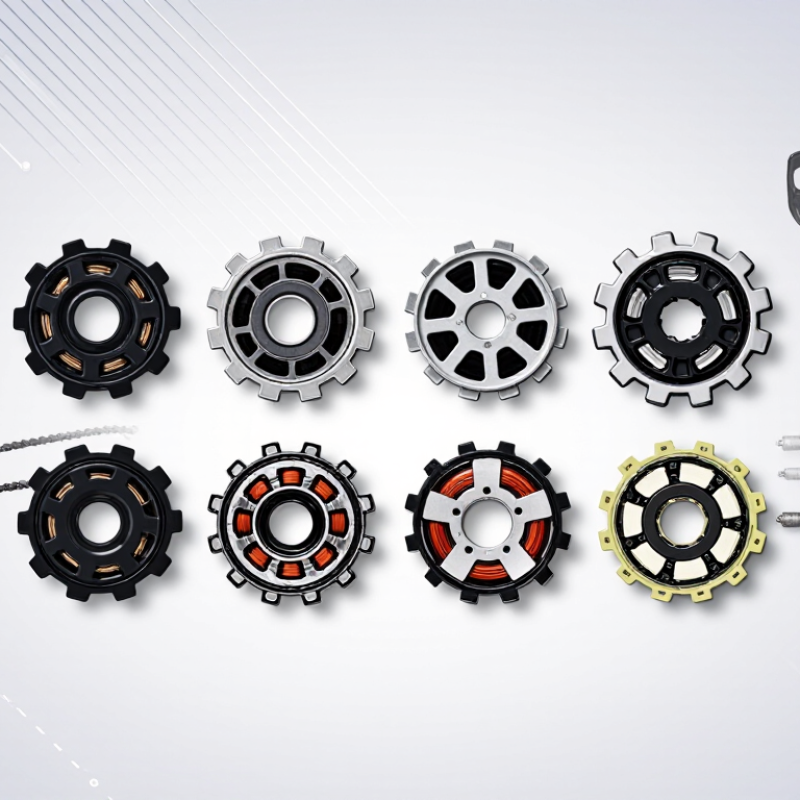
Top 10 Chainsaw Ignition Coil Manufacturers Worldwide?

Chainsaw Ignition Coils: Function and Basic Design

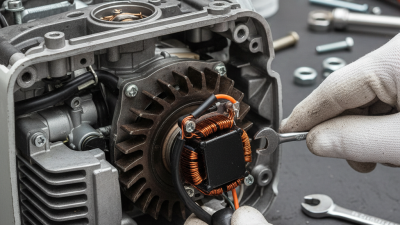
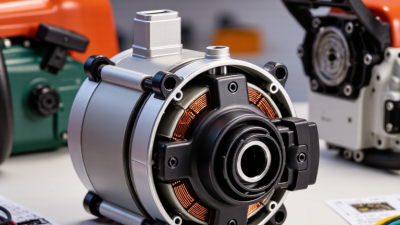
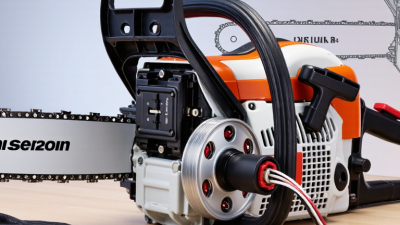
A chainsaw ignition coil creates the high voltage needed to fire the spark plug. In many small engines, magnets on the rotating flywheel pass the coil and change its magnetic field. This action builds and releases electrical energy through the coil’s windings. The secondary winding raises the voltage enough to jump the spark plug gap and ignite the fuel mixture. A small component. A demanding job.

Basic designs use primary and secondary windings around a laminated iron core. An electronic switching element controls the release of energy, while the flywheel’s position helps set ignition timing. The coil must sit at a precise distance from the flywheel; too wide or too narrow a gap can weaken performance. Insulation protects the windings from heat and vibration, but age, moisture, or repeated temperature changes can still cause failure. That is easy to overlook. A coil may look intact while its electrical output has deteriorated. Diagnosis should therefore rely on suitable testing and the engine’s service specifications, not appearance alone. The design is compact, but not flawless: tight packaging can make heat management and replacement access challenging.
How to Evaluate Chainsaw Ignition Coil Manufacturers

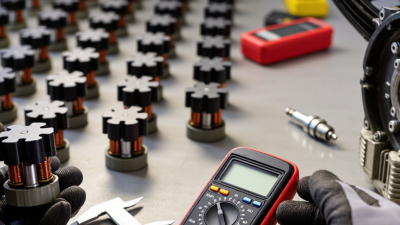
Evaluating a chainsaw ignition-coil manufacturer starts at the test bench, not the sales sheet. Ask for measured spark performance across cold starts, heat soak, and repeated vibration. A coil that works on a quiet bench may fail after hours near a hot engine. Request the test voltage, temperature range, sample size, and failure rate. If those details are missing, comparisons become guesswork. Small detail. Check whether the coil’s mounting points, lead length, and connector match your engine specification.

The ISO Survey 2022 recorded 1,265,216 valid ISO 9001 certificates worldwide across sectors. That broad figure is useful context, not proof that any coil will perform consistently. Certification describes a management system; it does not verify a specific product’s spark strength or service life. Ask for batch-level inspection records, material traceability, and a written process for handling failed samples. Independent test reports can help, but check that they cover the exact coil design and operating conditions you need. I would also question unusually neat claims: one successful sample says little about production consistency. Look for repeat results, clear test methods, and answers that acknowledge limits.

Leading Chainsaw Ignition Coil Manufacturers Worldwide

Leading chainsaw ignition coil manufacturers serve equipment makers, replacement-part distributors, and repair networks across varied markets. Their work involves more than winding copper around a core. A dependable supplier controls insulation quality, winding consistency, connector fit, and resistance to heat and vibration. These details matter when a saw starts cold, then runs under load at a dusty cutting site. Fit matters. Buyers should compare each coil’s specified air gap, electrical values, mounting points, and compatible engine models before ordering. A part that looks right may still produce a weak spark or inconsistent starting.

Manufacturing capability is only one part of supplier evaluation. Ask for documented inspection procedures, batch traceability, material specifications, and clear handling of rejected units. Where possible, verify samples on the intended engine platform, including hot-start behavior and repeated start cycles. Record results rather than relying on a quick bench check. Regional production can affect lead times and communication, but location alone does not establish quality. Warranty terms and technical support show how issues are handled after delivery. Some product pages provide limited test details; that gap deserves a question, not an assumption. Coil reliability also depends on correct installation, so even a well-made component cannot compensate for a damaged plug lead or incorrect clearance.

Top 10 Chainsaw Ignition Coil Manufacturers Worldwide? - Leading Chainsaw Ignition Coil Manufacturers Worldwide

Scope: Company names are intentionally omitted. This is a technical comparison framework, not a verified ranking of individual manufacturers; public, like-for-like manufacturer data is not consistently available.

No. Evaluation Dimension Relevant Technical Context What to Check in Manufacturer Documentation
1 Ignition System Design Chainsaws commonly use a magneto-based ignition system, in which flywheel magnets induce electrical energy in an ignition module. Confirm the coil and module are designed for the intended engine and ignition architecture.
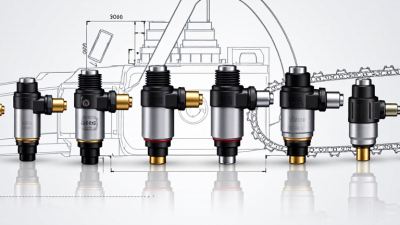
2 Engine Fitment Coil dimensions, mounting points, connector layout, and compatibility can differ between engine designs. Request application-specific fitment lists, drawings, and mounting measurements; do not rely on appearance alone.
3 Flywheel Compatibility The ignition module must work with the flywheel’s magnetic arrangement and the engine’s specified coil-to-flywheel clearance. Check compatible flywheel references and the installation air-gap specification for the relevant engine.
4 Ignition Timing Spark timing is determined by the interaction of the module, flywheel, and engine design; timing behavior is not universal across chainsaws. Confirm the timing specification and any stated operating-speed behavior for the target application.
5 High-Voltage Output The secondary winding supplies high voltage to the spark plug. Output depends on the ignition design and operating conditions. Ask for test conditions and acceptance criteria rather than comparing voltage figures without a common test method.
6 Speed-Limiting Features Some ignition modules incorporate speed-limiting behavior, while others do not; this feature is application-specific. Verify whether a limiter is present and confirm its specified behavior for the intended engine.
7 Environmental Protection Chainsaw ignition components may be exposed to vibration, dust, moisture, fuel, and lubricating oil during service. Review sealing details, material compatibility information, and any published ingress or environmental test results.
8 Thermal and Vibration Durability An ignition coil operates near a heat-generating engine and is subject to repeated mechanical vibration. Request documented temperature and vibration test methods, conditions, and pass criteria.
9 Electrical Connections The spark-plug lead, terminal, grounding points, and low-voltage connections must suit the engine installation. Check lead length, terminal type, connector arrangement, and connection instructions against the required application.
10 Quality and Traceability Consistent production depends on controlled materials, repeatable testing, and clear identification of production batches. Review quality-system documentation, inspection procedures, batch traceability, warranty terms, and applicable compliance declarations.

Comparing Manufacturer Products and Applications

Comparing chainsaw ignition coil manufacturers means looking beyond quoted output. Coil designs differ in mounting points, lead length, resistance, and timing compatibility. A forestry saw may run for hours under vibration and heat; a homeowner’s saw often sees shorter, seasonal use. Fit matters. A powerful coil is not automatically a suitable replacement.

Grand View Research’s Chainsaw Market Size, Share & Trends Analysis Report estimated the global chainsaw market at about US$4.1 billion in 2022, with projected annual growth of 4.3% from 2023 to 2030. That expanding market spans professional forestry, landscaping, and residential cutting, each placing different demands on ignition components. For comparison, buyers should check documented fitment, operating-temperature range, insulation quality, and test procedures—not just advertised spark strength. Small details count.

Application claims deserve scrutiny. A coil tested on a cool bench may behave differently beside a hot cylinder, after repeated starts, or in damp conditions. Manufacturer specifications are useful, but independent test data and clear model-compatibility tables provide stronger evidence. Some listings omit test conditions; that gap should give buyers pause.

Industry Trends in Chainsaw Ignition Coil Production

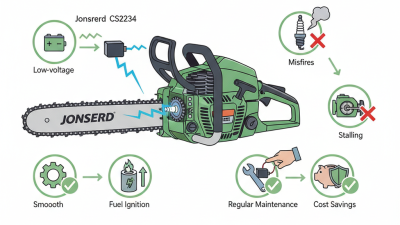
Chainsaw ignition coil production is moving toward tighter process control and more consistent performance. A coil must convert low-voltage input into the high-voltage pulse that fires the spark plug. Small changes in winding tension, core alignment, or insulation thickness can affect output. Precision matters.

Manufacturers are adopting automated winding and in-line electrical checks to reduce variation between units. Heat-resistant insulation and durable encapsulation also help coils withstand engine vibration, dust, and repeated temperature changes. Testing may include spark output, resistance, and operation under simulated heat. Yet automation alone cannot guarantee reliability. There is no perfect shortcut. Material quality and careful process monitoring still matter, especially when suppliers or production conditions change.

Designs are also balancing compact size with service life and practical assembly. Better measurement tools can help identify weak points earlier, but test results do not always mirror years of field use. That gap deserves attention. Production teams can learn from returned parts and repair feedback, while avoiding assumptions based on a single failure. Progress is real, but consistency remains the harder target.